
GenScript 3rd Annual
Gene & Cell
Engineering
Virtual Summit
Keynote Presentation
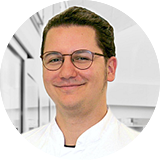
Dr. Dimitrios L. Wagner
Head of R&D, Berlin Center for Advanced Therapies (BeCAT)
CD3ζ as a novel integration site for reprogramming immune cells with Chimeric Antigen Receptors
In his talk, Dr. Dimitrios L. Wagner, Head of R&D at the Berlin Center for Advanced Therapies (BeCAT), shared the advances of his group in developing strategies for cell therapy manufacturing, such as CAR-T cells. Specifically, his group has been focused on leveraging non-viral CRISPR/Cas9-based approaches for T cell engineering. Non-viral approaches avoid some of the pitfalls of more conventional viral methods for knock-in template delivery (e.g., AAV viral vectors), such as high-cost and manufacturing complexities. Dr. Dimitrios's team has leveraged linear dsDNA templates co-delivered with CRISPR-Cas9 and guide RNA as a ribonucleoprotein (RNP) complex for their workflow. Through this approach, they have targeted the TRAC locus to generate anti-CD19 CAR T cells while simultaneously eliminating the endogenous TCR function. However, as others have reported previously, using dsDNA as an HDR template, especially at high doses, carries a risk of cellular toxicity, affecting the overall editing success. Therefore, extensive optimization was required to narrow the best dsDNA template concentration.
Additionally, the team leveraged small molecules with HDR-enhancing properties to improve knock-in rates. In vivo studies in a leukemia model confirmed the efficacy of the anti-CD19 CAR T developed by non-viral methods. They demonstrated a functional advantage over similar CAR T cells developed through viral methods.
Having confirmed and replicated the success of targeting the TRAC locus for CAR insertion and generating efficacious CAR T cells, the team focused on alternative integrations sites. Specifically, they stirred their attention to the CD3ζ gene, which forms the intracellular effector domain in conventional CAR receptors. They developed a truncated form of a CAR receptor transgene, having all elements except the CD3ζ sequence (i.e., antigen-binding, hinge, transmembrane, and co-stimulatory domains). Insertion of this truncated construct within the CD3ζ locus supported the expression of the whole CAR transgene and enabled cytotoxic activity. Further engineering of this new truncated CAR transgene enabled the optimization of CAR expression to levels similar to or above those supported by CAR TRAC insertion. Overall, optimization improved CAR expression and cytotoxicity. Still, the most exciting finding was from in vivo studies in a leukemia model where CAR T cells expressing the optimized truncated construct supported more prolonged survival when compared to conventional TRAC CAR T cells. Ultimately, inserting CAR constructs within the CD3ζ locus is feasible in other immune cells of clinical interest, such as NK cells, opening new opportunities to engineer effective cell therapies.
Talk 2-3

Dr. Yongli Shan
Associate Director of Discovery Biology, Vicinitas Therapeutics
Advancing Protein Stabilization Therapeutic Development and DUBTAC Drug Discovery through Gene and Cell Engineering
As the Associate Director and Group Leader of Discovery Biology at Vicinitas Therapeutics, Dr. Yongli Shan provided an overview of their molecular and cellular biology platform for targeted protein stabilization. Vicinitas' platform leverages the process of de-ubiquitination to stabilize target proteins and restore their function. To this end, they have developed Deubiquitinase-targeting chimeras (DUBTACs) which bind specifically to the target protein of interest and deubiquitinase, bringing them in close proximity to enable the removal of ubiquitin. Vicinitas' goal is to leverage the DUBTAC platform to restore the function of proteins in loss of function disease states such as…. Bioinformatics and proteomic approaches have enabled Vicinitas' scientists to elucidate deubiquitinase (DUB) proteins tissue distribution and identify relevant DUB-target pairings for high throughput evaluation.
Vicinitas relies on engineered cells to validate the efficiency of potential DUBTACs in stabilizing targets of interest. Cells are engineered through several approaches, including CRISPR genome editing as well as lentivirus and transposon-based transfection, many of which are enabled by GenScript's services. By engineering and expressing DUBs modified with specific tags (e.g., Halo tag), scientists can force interactions between an identified DUB and a protein of interest, supporting proof of concept experiments and the selection of effective DUB-target pairs. Lastly, validation of potential DUB-protein target pairs relies on transcriptomic and proteomic analyses to ensure the complete functional evaluation of DUBTAC effects. Overall, Vicinitas' engineered cell platforms, VICINITI-Cells, support various stages of the DUBTAC drug development process, from lead discovery to optimization of drug candidates.

Dr. Mark Blenner
Associate Professor, University of Delaware
Developing genetic engineering tools for non-conventional and non-model yeast
As an Associate Professor of Chemical Engineering at the University of Delaware, Dr. Mark Blenner's research focuses on developing tools for engineering not-commonly used or novel microorganisms such as yeast. His work leverages synthetic biology to modify metabolic pathways in various yeast strains, generating microorganisms with improved or novel metabolic properties.
Microorganisms provide various advantages, such as low cost and ease of growth. Therefore, metabolic engineering in microorganisms enables scalable factories for specific compounds. The Blenner lab focuses on non-conventional yeasts rather than the more commonly used Saccharomyces cerevisiae. A disadvantage of non-conventional microbes is the need to develop new tools and limited knowledge to engineer them successfully. However, a great benefit is that they allow access to unique phenotypes, such as tolerance to specific metabolic products or extreme growth conditions.
Oleochemicals are a group of metabolic products of interest to the Blenner lab. These products derived from petroleum have a broad range of manufacturing applications, such as in fuel, detergent, and the food and beverage industries. For this work, oleaginous yeasts are interesting as they can produce oleochemical lipid precursors. A main microorganism of choice for the lab is Yarrowia lipolytica, which provides several advantages, such as high lipid yield, availability of some engineering tools, broad chemical tolerance, and ability to metabolize a range of substrates. Through developing several genetic engineering tools (e.g., engineered promoters), Benner's group has successfully optimized or even imparted new metabolic properties to various non-conventional yeasts. Lastly, they have developed CRISPR/Cas9 tools for use in Yarrowia lipolytica, which have supported CRISPR knockout screens to identify essential and non-essential genes in this yeast.
Talk 4-7

Dr. Samantha Yost
Senior Scientist, REGENXBIO
Characterization and biodistribution of REGENXBIO NAV® platform capsids: under-employed gene therapy vector AAV7
Samantha Yost, Senior Scientist at REGENXBIO, Protein, and Vector Engineering Group, shared her work characterizing the infrequently used viral vector AAV7 and approaches developed to fully characterize new capsids. Her group follows three main strategies to achieve capsid engineering: rational-based, directed evolution, and characterization of naturally occurring capsids. Among these areas, Dr. Yost's work focuses on characterizing naturally mined AAV capsids. Her work with AAV7 helped establish a workflow that can be applied to characterize novel capsids.
REGENXBIO owns AAV7, and limited information is available about its binding properties. Therefore, to understand AAV7's potential for future clinical applications, Dr. Yost's work aimed at comparing the properties of the AAV7 capsid to that of the more frequently used AAV8/9 or 10 vectors. In vitro studies successfully demonstrated AAV7's ease of manufacture, yet its cellular receptor remains unidentified. Additionally, in vivo studies combining conventional PCR methods and imaging approaches characterized AAV7's biodistribution and tropism.
Based on conventional PCR methods, AAV7 and AAV9 showed very similar biodistribution, including brain transduction. Nevertheless, upon more careful examination enabled by immunohistochemical methods, AAV7 was less efficient than AAV9 in transducing the brain.
Adopting whole-mouse Cryofluorescence microscopy (CFT), imaging revealed more differences in tissue tropism. CFT used to localize fluorescent proteins delivered by AAV7 and 9 vectors demonstrated a preference for AAV7 over AAV9 to transduce heart tissue.

Dr. Leonardo Parra
Postdoctoral Fellow- University of California San Diego (UCSD)
Serine-129 phosphorylation of α-synuclein is an activity-dependent trigger for physiologic protein-protein interactions and synaptic function
As a postdoctoral fellow in the laboratory of Subhojit Roy, University of California San Diego, Dr. Leonardo Parra-Rivas has developed various tools to understand the function of alpha-synuclein. Specifically, his interest lies in the functional role of a specific phosphorylated form of this protein (i.e., serine-129 phospho form).
Alpha-synuclein is typically localized to neuronal synapses, associating with synaptic vesicles in various brain regions. Aggregation of alpha-synuclein forming Lewy bodies is a hallmark pathological finding in Parkinson's disease (PD). Significantly, the serine-129 phosphorylated form of alpha-synuclein predominates in Lewy bodies in the PD brain. Nevertheless, Parra-Rivas' work using a validated antibody specific for the alpha-synuclein serine-129 phospho form has revealed a restricted expression pattern in the normal brain, different from the broader distribution of the unphosphorylated protein.
The unique distribution of the serine-129 phospho form and the strict conservation of the Ser-129 residue across species prompted Dr. Parra-Rivas to explore the functional consequence of this transcriptional modification. First, he has found that Phosphorylation at this site is activity-dependent. Next, analysis of synaptic vesicle recycling showed that Ser-129 Phosphorylation enhances the suppression of synaptic vesicle recycling by alpha-synuclein. Dr. Parra-Rivas looked at protein interactions of significance at the synapse to understand the mechanism underscoring this effect. These studies showed that Ser-129 Phosphorylation is critical for alpha-synuclein's interaction with two essential synaptic proteins, VAMP2 and Synapsin. Lastly, ultrastructural analysis of synapses revealed that serine-129 phosphorylated alpha-synuclein plays a role in the clustering of synaptic vesicles. These findings have led Dr. Parra-Rivas to propose a role for alpha-synuclein as a molecular switch at the synapse.
Understanding the function of alpha-synuclein is critical to developing effective therapies for PD. Unfortunately, transgenic disease models have often provided conflicting or inconclusive results. Therefore, Dr. Parra-Rivas has developed CRISPR/Cas9 tools that he can leverage in vitro and in vivo to modulate alpha-synuclein's expression specifically. These tools should help elucidate the physiological roles of this protein.

Dr. Lili Yang
Associate Professor, University of California, Los Angeles (UCLA)
Harnessing iNKT Cells for “Off-The-Shelf” Cancer Therapy
To generate ready-made cell therapies for cancer Dr. Lili Yang an Associate Professor at the University of California, Los Angeles, has developed a strategy to engineer and arm invariant NK (iNK) T cells with CAR transgenes. Despite their small numbers in the peripheral blood compared to T cells, iNKT cells have unique functional properties, making them attractive for cell immunotherapy development. For example, iNKT cells can induce direct tumor cell killing by interaction through their invariant T cell receptor with glycolipids on the surface of tumor cells. Moreover, iNKT cells have adjuvant effects by promoting the activation of other immune cells (e.g., NK, DC, CTLs). Another significant advantage is that the transfer of allogeneic iNKT cells does not carry the risk of graft vs. host disease (GvHD), making these cells very attractive for engineering to enhance their anti-tumor properties further.
However, their limited presence in peripheral blood presents a challenge for successful iNKT cell expansion and implementing engineering workflows. Therefore, Dr. Yang's work has focused on developing strategies for stem cell engineering and differentiation into iNKT cells. In this approach, hematopoietic stem cells (HSCs) transduced with the iNKT cell receptor (TCR alpha and beta) genes can be programmed into iNKT cells.
Dr. Yang's team has demonstrated that allogeneic iNKT cells can be produced at high numbers from human HSCs, resulting in functional tumor-targeting cells while retaining their low immunogenicity. Additionally, they have continued to improve and streamline the manufacturing workflow by producing iNKT cells with high-purity and clinically-relevant yields in feeder-free and serum-free conditions. Because of their intrinsic anti-tumor functions, the produced iNKT cells effectively targeted various tumor types in vitro, even without further CAR engineering.
Overall, the Yang lab has developed a robust platform for iNKT production from HSCs, which enables the manufacture of ready-made allogeneic cell therapies with diverse intrinsic anti-tumor activities that can be further engineered with CARs for specific tumor-antigen targeting. These cells have shown high efficacy and a strong safety profile in preclinical tumor-bearing animal models.

Lauren Alfonse
Principal Scientist, Arbor Biotechnologies
Discovery and engineering of a miniature CRISPR-Cas type V-L system
Through a metagenomics search, scientists at Arbor Biotechnologies identified a new family of miniature CRISPR-Cas type V-L systems. Lauren Alfonse, Principal Scientist at Arbor Biotech, shared how the team went on to characterize the properties of this novel system.
First, screening in E. coli enabled the identification of the corresponding PAM sequence for this new small CRISPR-Cas system. Next, RNAseq confirmed that this new system does not require a tracrRNA for nuclease activity. Additionally, biochemical studies enabled the identification of major cutting sites, which occur external to the spacer, and next-generation sequencing made characterizing the specific cleavage products possible.
Despite its robust nuclease activity in bacteria, the team found that this new CRISPR-Cas type V-L system had low activity in mammalian cells. Therefore, an engineering strategy leveraging arginine and glycine scanning mutagenesis libraries in E. coli was adopted to identify residues critical for enhanced nuclease activity. Identified residues were subsequently validated for improved nuclease activity in mammalian cells. Additionally, combinatorial variants were developed, and their indel activity evaluated compared to SpCas9, enabling the identification of a CRISPR-Cas type V-L variant with superior activity. Lastly, relevant to its clinical translatability, the identified combinatorial variant delivered as a ribonucleoprotein complex into a mammalian cell line and primary human hepatocytes demonstrated robust nuclease activity against various target sequences of interest.
Closing Keynote Presentation

Dr. John Zuris
Director of Editing Technologies, Editas Medicine
SLEEK: A highly efficient transgene knock-in technology in clinically relevant cell types
Dr. John Zuris, Director of Editing Technologies at Editas Medicine, introduced the audience to SLEEK, SeLection by Essential-gene Exon Knock-in, a platform for efficient transgene knock-in. This newly developed platform aims to improve cellular medicine manufacturing with technologies that support more homogeneous and efficient cell products. To this end, the SLEEK platform leverages CRISPR-AsCas12a to ensure greater genome editing specificity. Scientists at Editas have shown AsCas12a to be 10-100 times more specific than SpCas9. Despite this benefit, the original form of AsCas12a had reduced editing efficiency and potency, necessitating engineering for improved performance. The newly engineered AsCas12a developed by Editas has greater potency (~100 fold) while conserving the wild-type specificity.
Armed with this improved nuclease, the SLEEK platform leverages RNP particles and DNA homology-directed repair (HDR) templates to target essential genes such as GAPDH for insertion. In this approach, undesirable outcomes such as indels generated through the alternative repair pathway non-homologous end joining (NHEJ) would lead to cell death, eliminating cells with unwanted genome modifications. Therefore, this negative selection strategy improves the quality and homogeneity of the edited cell product. Additionally, targeting robustly expressed genes for knock-in ensures efficient and high transgene expression. Importantly, this platform enables efficient knock-in of different HDR DNA template formats, including plasmid, linear ssDNA, as well as linear and closed-ended dsDNA. Overall, the SLEEK platform has enabled efficient editing of various clinically relevant cell types, such as iPSCs, T, B, and NK cells.