




































EGF, Mouse
| $40.00 | |
| Z02972-10 | |
|
|
|
|
|
|
|
|
|
| Ask us a question | |
IVD Raw Materials
| $40.00 | |
| Z02972-10 | |
|
|
|
|
|
|
|
|
|
| Ask us a question | |
| Species | Mouse | |
| Protein Construction |
Expressed with an N-terminal Met.
|
|
| Purity |
> 95% as analyzed by SDS-PAGE > 95% as analyzed by HPLC |
|
| Endotoxin Level | < 0.2 EU/μg of protein by gel clotting method | |
| Biological Activity | ED50 < 0.1 ng/ml, measured by a cell proliferation assay using BALB/c 3T3 cells, corresponding to a specific activity of > 1.0 × 10⁷ U/mg. | |
| Expression System | E. coli | |
| Apparent Molecular Weight | ~6.2 kDa, on SDS-PAGE under reducing conditions. | |
| Formulation | Lyophilized after extensive dialysis against PBS. | |
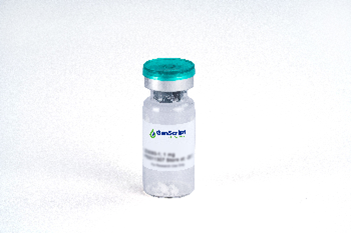
| Reconstitution | It is recommended that this vial be briefly centrifuged prior to opening to bring the contents to the bottom. Reconstitute the lyophilized powder in ddH₂O up to 100 μg/ml. | |
| Storage & Stability | Upon receiving, this product remains stable for 6 months at lower than -70°C. Upon reconstitution, the product should be stable for 1 week at 4°C or for 3 months at -20°C. For long term storage it is recommended that a carrier protein (example 0.1% BSA) be added. Avoid repeated freeze-thaw cycles. |
»
»
ED₅₀< 0.1ng/ml, measured by a cell proliferation assay using BALB/c 3T3 cells, corresponding to a specific activity of > 1.0× 10⁷units/mg. »
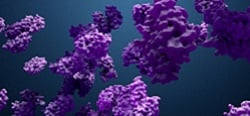
| Target Background | Epidermal Growth Factor (EGF) is a potent growth factor that stimulates the proliferation of various epidermal and epithelial cells. Additionally, EGF has been shown to inhibit gastric secretion, and to be involved in wound healing. EGF signals through the EGF receptor (EGFR) also known as erbB1, is a class I tyrosine kinase receptor. This receptor also binds with TGF-α and VGF (vaccinia virus growth factor). EGF-receptor binding results in cellular proliferation, differentiation, and survival. EGF is a low-molecular-weight polypeptide first purified from the mouse submandibular gland, but since then found in many human tissues including submandibular gland, parotid gland. Salivary EGF, which seems also regulated by dietary inorganic iodine, also plays an important physiological role in the maintenance of oro-esophageal and gastric tissue integrity. The biological effects of salivary EGF include healing of oral and gastroesophageal ulcers, inhibition of gastric acid secretion, stimulation of DNA synthesis as well as mucosal protection from intraluminal injurious factors such as gastric acid, bile acids, pepsin, and trypsin and to physical, chemical and bacterial agents. |
| Synonyms | Urogastrone; URG; epidermal growth factor |
For laboratory research use only. Direct human use, including taking orally and injection and clinical use are forbidden.