Preserving Our Environment

At GenScript, we are committed to mitigating our environmental footprint by maintaining a robust environmental management system, optimizing resource utilization, transitioning to renewable energy, and minimizing waste generation, thereby improving our operational efficiency.

Environmental Management Addressing Climate
Change
1
Environmental Management Energy
Management
2
Environmental Management Water
Management
3
Environmental Management Pollution
Control
4

Climate Targets

Near-term target:

Operations Emissions: Reduce Scope 1 and Scope 2 greenhouse gas emissions by 54.6% by 2033 (base year 2023)

Near-term target:

Energy and Waste Management: Reduce greenhouse gas emissions from fuel- and energy-related activities and operational waste by 32.5% by 2033 (base year 2023)

Near-term target:

Supplier Engagement: Engage suppliers representing 83% of Scope 3 emissions* to set science-based targets by 2029

Long-term target:

Net-Zero Emissions: Achieve net-zero emissions across Scope 1, Scope 2, and Scope 3 by 2050

Our initiatives

  • Align with the 1.5°C Paris Agreement pathway by implementing our SBTi-approved decarbonization targets to achieve net-zero by 2050
  • Conduct annual corporate GHG accounting and verification to track decarbonization progress
  • Embed climate-related considerations within the remuneration framework, ensuring a portion of the CEO’s annual compensation will be tied to ESG performance targets

* Covers purchased goods and services, capital goods, and upstream transportation and distribution

Our initiatives

  • Pursue ISO 50001 Energy Management System certification at major manufacturing sites, with two major operating sites certified to ISO 50001
  • Implement energy-saving upgrades, e.g., replacing steam heat exchangers with direct-fired linear burners to boost thermal efficiency
  • Implement waste heat recovery projects in different scenarios to improve energy utilization
  • Integrate renewable energy into our energy mix by deploying a photovoltaic system at major manufacturing sites
  • Digitalize energy management through a centralized system, utilizing real-time monitoring and analytics to drive energy efficiency

Our initiatives

  • Perform water balance audits and enhance oversight of water usage in production, living, and construction processes under the Energy Management Policy
  • Leverage the Aqueduct Water Risk Atlas to analyze water stress and implement targeted measures to mitigate identified water risks
  • Drive reclaimed water initiatives and optimize water allocation to improve water efficiency
  • Upgrade equipment and processes by replacing stainless-steel systems with single-use bioreactors to achieve significant water savings
  • Adopt digital water management solutions to achieve real-time oversight and data-driven efficiency in water resource usage

Our initiatives

  • Management Systems: Standardize environmental management across global operations, with 31% of our operational sites certified to ISO 14001
  • Wastewater Management: Drive wastewater reduction at the source, upgrade treatment processes to lower pollutants, and expand water reuse for improved water efficiency
  • Air Emissions Management: Replace gas with electricity and municipal steam to eliminate combustion emissions at the source, optimize treatment processes to enhance air pollutant removal efficiency, and implement an integrated “online monitoring and third-party testing” mechanism to ensure consistent compliance
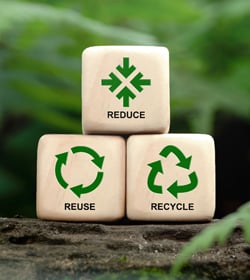
  • Waste Management: Uphold the 3R (Reduce, Reuse, Recycle) principles across the waste lifecycle, implement an end-to-end oversight system from collection to disposal, and achieve waste reduction, recovery, and hazard-free treatment
  • Packaging Waste Reduction: Implement plastic reduction and packaging lightweighting initiatives, and scale up the use of 100% recyclable paper-based boxes