Duration: 5 min

Ken Chen, Ph.D.
Senior Scientist
Dr. Ken Chen is the leader of the mammalian protein automation R&D team at GenScript. He and his team have significantly improved the automation level of the protein department and overall production efficiency.
Introduction
The establishment of automated laboratories plays an increasingly important role in the
biological industry. By introducing advanced automation equipment and systems, biotechnology laboratories
can improve experimental efficiency, reduce costs, and minimize human errors, thereby driving progress in
the field of biotechnology. In this automation series, our team will cover topics from upstream cell
processing to downstream processes, including cell transfection, cultivation, harvesting, purification,
desalting, formulation, and sample aliquoting. And we will combine practical equipment, solutions, and
application cases to help readers gain a more comprehensive understanding of the value and significance of
laboratory automation.
Small-scale automated cell recovery equipment
In the field of biopharmaceuticals and biotechnology, upstream cell culture is a
crucial link. Stable and optimal cell culture conditions and environment are of great help in
ensuring product quality. And in the process of cell culture, cell recovery is a key step, playing a
crucial role in the successful thawing and culture of cells. In recent years, refined automated cell
recovery solutions are gradually being widely applied. Here is a small-scale automated cell thawing
system called ThawSTAR®, which is considered a "black technology" in cell dry thawing. It
looks like
this:
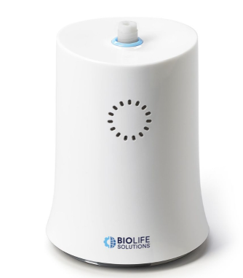
Figure 1 Small-Scale Automated Cell Thawing System ThawSTAR®[1]
ThawSTAR® is an automated cell thawing instrument that offers easy operation, excellent
repeatability, and effective contamination prevention compared to traditional water bath methods. As
the instrument automatically performs a series of continuous operations, it eliminates the risk of
operation and contamination caused by speculation or subjective factors, and ensuring high
reproducibility. The instrument is suitable for frozen cells stored in dry ice, -80°C freezer,
liquid nitrogen, etc. It is easy to operate, only requiring the insertion of the cryotube and
waiting for the process to finish, and the cryotube will automatically pop out when the process is
completed. The ThawSTAR CFT transfer box rapidly and precisely cools samples by being placed in
liquid nitrogen or dry ice to prevent high-temperature conduction. It can effectively prevent the
temperature rise of frozen cells stored in liquid nitrogen or -80°C freezer during transfer.
In addition, the plasmatherm thawer introduced by Barkey company also has a very good
effect and performance in controlling cell recovery process.
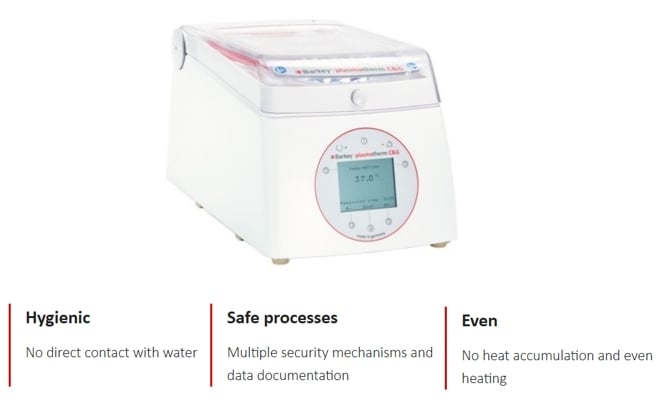
Figure 2 Small-Scale Automated Cell Thawing System plasmatherm thawer[2]
This equipment uses a more flexible pre-filled water heating pad that fits tightly into the
temperature controller with the sample. There are two water-filled heating pads in the heating chamber, and
the water circulates continuously. The water is in a closed circulation chamber and can be used for a year
without replacement. This allows for heat exchange through water while providing complete pollution control,
as the sample tube does not come into direct contact with the water throughout the process.
Systemic automated cell recovery equipment and platform
Small auxiliary equipment mentioned above can aid in cell recovery, and the industry has also
developed fully automatic equipment to carry out the entire cell recovery process under machine control.
The CR-100 Cell thawer, launched by Origincell, is an automated equipment specially developed
for the revival of laboratory and medical cell samples. The equipment can set the appropriate resuscitation
temperature, allowing low-temperature samples to be smoothly and uniformly oscillated in a constant
temperature water bath, effectively ensuring the quality and safety of sample resuscitation. It can be used
for the resuscitation of low-temperature stored biological samples such as tissues, cells, and blood. The
instrument achieves stable resuscitation of low-temperature samples through pure mechanical vibration, with
precise and balanced speed control. It also has an automatic water addition function. The water level
adjustment range is 0-50mm (with the bottom baffle as the zero position). When the water level is lower than
the set value, the system automatically adds water; conversely, it automatically drains water, allowing for
precise setting of different water levels to accommodate different freeze-thaw tube specifications.
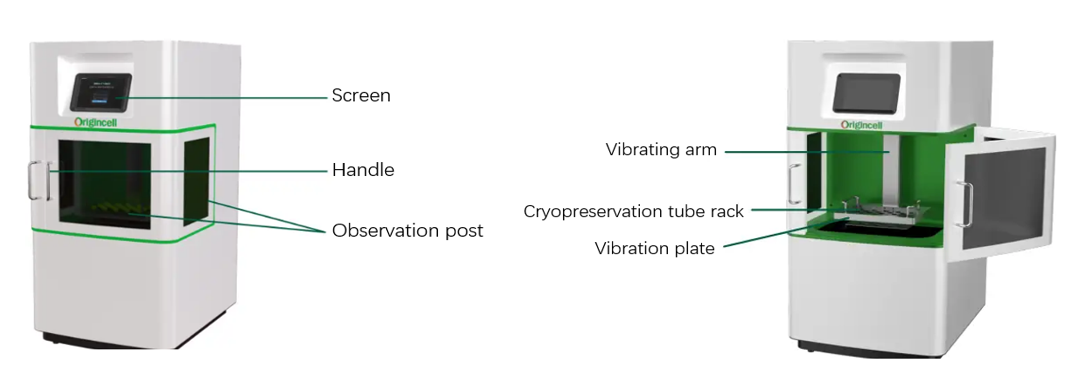
Figure 3 Cell thawer CR-100[3]
The instrument allows effective binding of thawing parameters with sample information,
facilitating traceability of sample data. Additionally, it can interface with downstream devices such as
cell counters, ensuring alignment of production information from the outset and enhancing traceability
throughout the entire process.
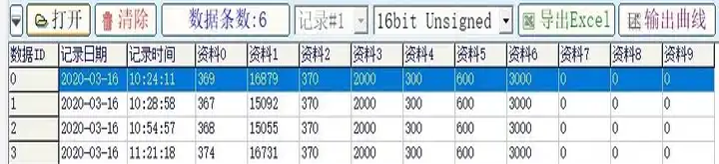
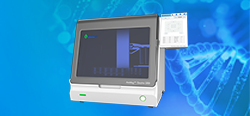
Figure 4 CR-100 Cell thawer data management platform
In recent years, with the continuous development of automation technology, fine cell recovery automation solutions are gradually being widely applied.
Some areas of cell therapy have widely adopted more systematic and large-scale automated platforms to complete cell recovery operations. With the intelligent liquid handling technology in the platform, precise liquid addition and processing can be achieved in cell culture dishes. In traditional manual operations, the addition and processing of liquids often require operators to have high technical skills and are easily influenced by individual differences. With the introduction of automated systems, fine control of cell culture medium can be achieved through preset programs and precise liquid handling devices, thereby improving the success rate and consistency of cell recovery.
Secondly, automated systems can monitor and record the entire process of cell recovery through intelligent control software. In traditional manual operations, it is often difficult to achieve full monitoring and data recording of the cell recovery process due to the subjective factors of operators and the uncertainty of the operating environment. Automated systems can monitor and record key parameters of the cell recovery process through real-time monitoring sensors and data acquisition systems, ensuring the reliability and traceability of experimental data.
In addition, automated systems provide flexible operation methods and diverse application scenarios. In traditional manual operations, operators often need to perform monotonous operations in the laboratory for a long time, resulting in low work efficiency. Automated systems can achieve cell recovery operations of different scales and types through preset programs and intelligent control software, greatly improving work efficiency and flexibility.
Summary
In summary, the introduction of fine cell recovery automation systems has brought many benefits to biotechnology companies. Firstly, it improves the success rate and consistency of cell recovery, ensuring the reliability and stability of the cell culture process. Secondly, it reduces the workload and the possibility of operational errors for operators, improving the efficiency of the laboratory. Furthermore, it enhances the credibility and traceability of experimental data, providing more support and assurance for the company's business.
In conclusion, the application of fine cell recovery automation systems in the field of biotechnology will bring more innovation and development to the industry. With the continuous progress and application of automation technology, it is believed that there will be more innovative cases and successful experiences emerging, bringing more opportunities and advancements to the industry.
References
[1] | Mandel Scientific
[2] Plasmatherm Thawer Cell and Gene | Barkey from Azenta
[3] 原能细胞发布原能细胞全自动细胞复苏仪CR-100新品_资讯中心_仪器信息网 (instrument.com.cn)


 Most Popular Reagents
 Instruments
 Antibodies
 Protein Electrophoresis and Blotting
 Molecular Biology
 Stable Cell Lines
 Cell Isolation and Activation
 IVD Raw Materials
 Therapy Applications
 Resources