Duration: 4 min

Di Shen, Ph.D.
Senior Marketing Strategist
Dr. Di Shen earned his Ph.D. in Biochemistry from Arizona State University.
Before joining GenScript, he served as a Senior Scientist at NovaRock Biotherapeutics,
specializing in antibody therapeutic development, including T cell engagers and ADCs
(antibody-drug conjugates). With over five years of industry experience, Dr. Shen has
contributed to more than five drug development programs, two of which have advanced to
clinical stages. His research has been published in prestigious journals, including the
Journal of Biological Chemistry, FEBS Journal, and Biochemistry.
Introduction
In recent years, the field of cancer immunotherapy has seen significant advancements, particularly with the development of bispecific antibodies (BsAbs). Among these, T-Cell Engagers (TCEs) have emerged as a promising class of therapeutic agents designed to harness the body’s immune system to fight cancer more effectively. This article delves into the intricacies of BsAb TCEs, their mechanism of action, the development process, and the potential they hold for the future of cancer treatment.
What are Bispecific Antibodies?
Bispecific antibodies are engineered molecules that can bind to two different antigens
simultaneously. Unlike traditional monoclonal antibodies that target a single antigen, BsAbs are designed to
recognize and attach to two distinct targets. This dual-targeting capability allows BsAbs to bring two
different molecules into close proximity, facilitating a range of therapeutic functions, including the
redirection of immune cells to cancer cells. In recent years, 11 new bsAbs have been approved by regulatory
agencies within three years, with 9 approved TCE for cancer treatment (amivantamab, tebentafusp,
mosunetuzumab, cadonilimab, teclistamab, glofitamab, epcoritamab, talquetamab, elranatamab) and 2 for
non-cancer indications (faricimab, ozoralizumab)[1].
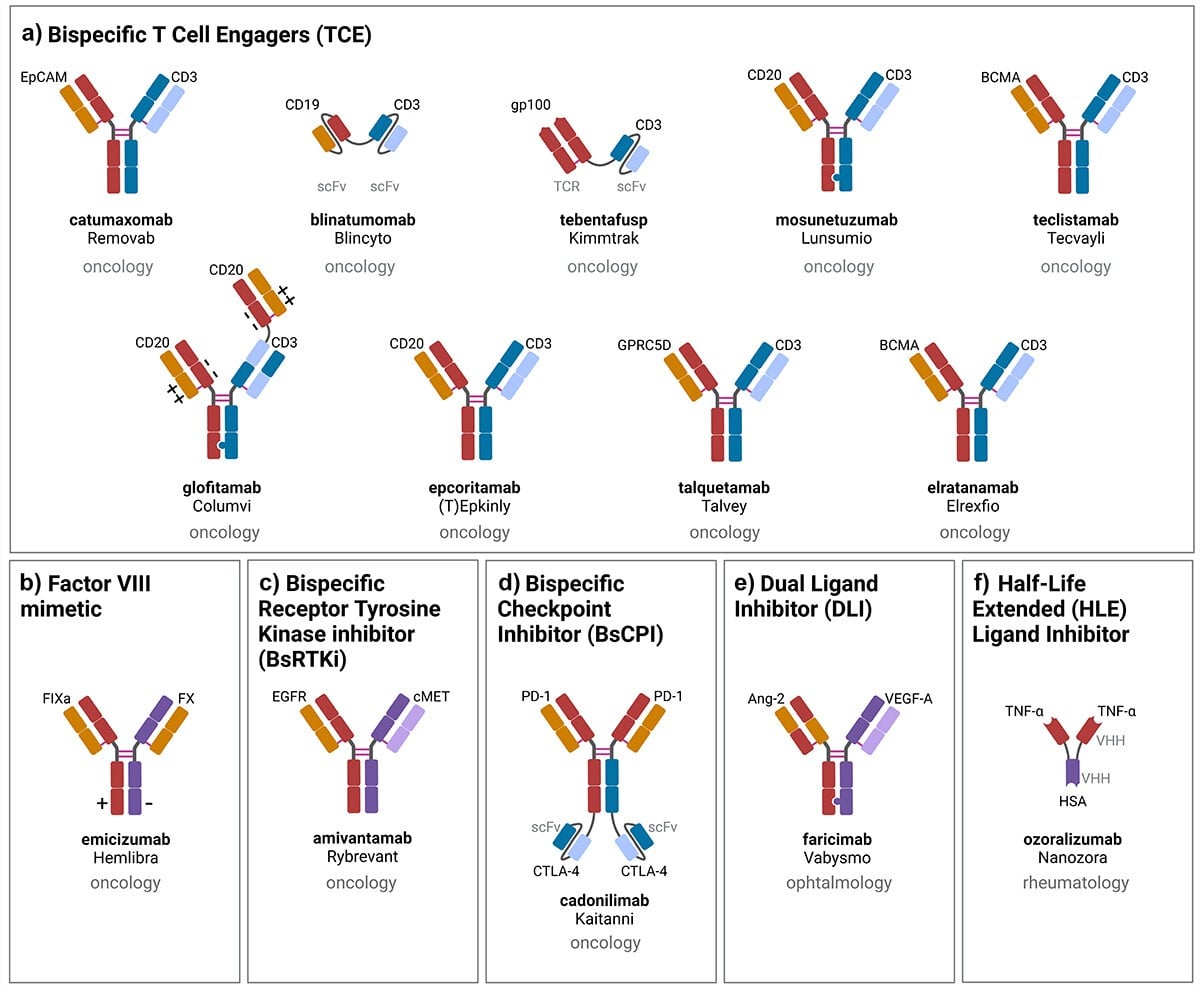
Figure 1 from MAbs. 2024 Jan-Dec;16(1):2321635. doi: 10.1080/19420862.2024.2321635
Format of Bispecific antibody
There are several types of bispecific antibodies, each with unique structures and mechanisms
[2]. Some common types include:
- Fc-less bispecific antibody: An example is the bispecific tandem scFv format, where two
scFv are
connected by a linker. The first BiTE molecule, Blincyto® (blinatumomab), was approved for treating
refractory B-cell precursor acute lymphoblastic leukemia (ALL) in 2014.
- IgGs like with asymmetric architecture: This format is similar to natural IgG, offering
better half-life
and stability compared to scFv-based BsAbs. The challenge lies in resolving the pairing of heavy and
light chains. Various strategies have been developed, such as Fc engineering like Knob-in-Hole,
CrossMab, and post-assembly purification of two monoclonal antibodies (Duobody).
- Bispecific antibody with symmetric architecture: These antibodies achieve bivalent
binding at each
binding site by connecting an additional scFv to either the heavy or light chain. A classic example is
DVD-Ig [3]. We will discuss more details of how different format affect the BsAb in future
articles.
How TCEs Work
T-Cell Engagers (TCEs) are a subtype of bispecific antibodies that play a crucial role in
cancer immunotherapy. The primary function of TCEs is to bridge T cells (a type of immune cell) and cancer
cells, facilitating direct T-cell mediated killing of the cancer cells [4].
TCEs are designed to bind to an antigen on the surface of T cells, such as CD3, and another tumor associate
antigen (TAA) on cancer cells, such as CD19 or CD20. By physically linking these two cell types, TCEs form a
synapse that allows the T cell to release cytotoxic molecules directly into the cancer cell, leading to its
destruction.
The binding of TCEs to T cells and cancer cells triggers the following sequence of events:
- Activation of T cells: The TCEs stimulate T cells,
enhancing their cytotoxic activity.
- Formation of an immunological synapse: This close contact
allows the T cell to release perforin and granzymes, which penetrate and kill the cancer cell.
- Elimination of cancer cells: The targeted cancer cells are
efficiently destroyed by the activated T cells.
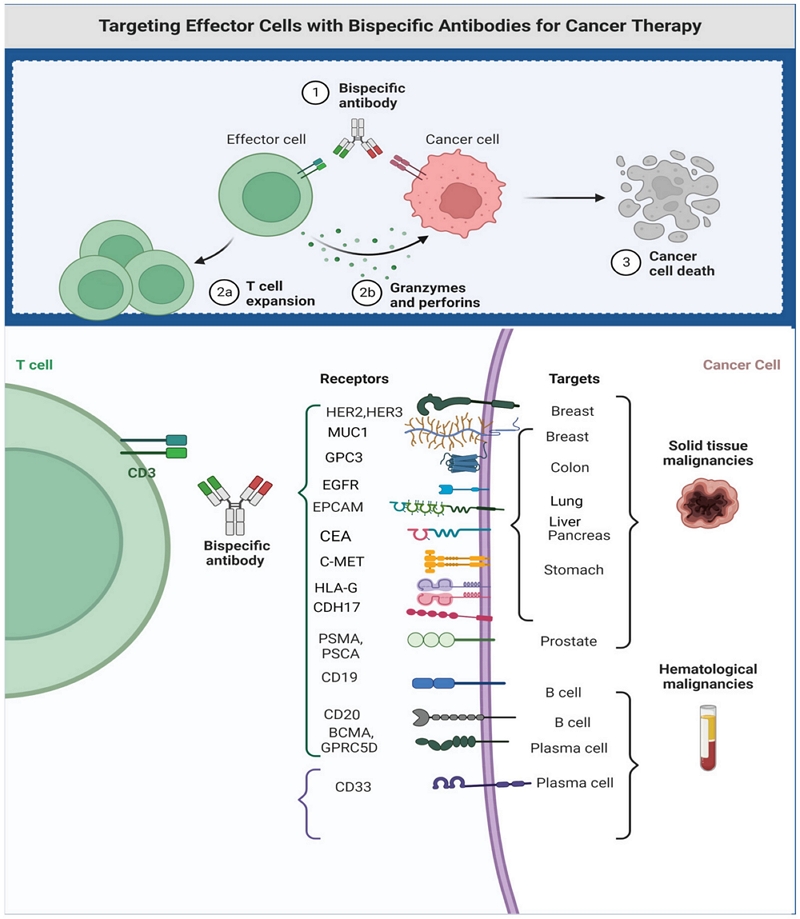
Figure 2 from Cancers 2023 May 18;15(10):2824. doi: 10.3390/cancers15102824
Development of Bispecific Antibody T-Cell Engagers
The development of BsAb TCEs is a complex and multi-step process that requires careful planning
and execution. There are some key steps involved:
- TAA selection: The first step in developing BsAb TCEs is selecting appropriate target
antigens. The chosen antigens must be highly expressed on cancer cells but minimally present on normal
cells to reduce off-target effects and toxicity.
- Antibody engineering: Once the target antigens are identified, the next step is
engineering the bispecific antibodies. This involves creating antibody fragments that can bind to the
chosen antigens. Techniques such as phage display and hybridoma technology are commonly used to generate
these fragments.
- In vitro testing: After engineering the antibodies, they undergo extensive in
vitro testing to evaluate their binding affinity, specificity, and cytotoxicity. These tests ensure that
the BsAb TCEs can effectively engage T cells and cancer cells.
- Preclinical trials: Successful in vitro candidates are then tested in preclinical
models, such as mouse xenograft models, to assess their efficacy and safety in vivo. These trials
provide crucial data on the pharmacokinetics, biodistribution, and potential side effects of the BsAb
TCEs.
Challenges and Solutions in Development
Developing BsAb TCEs is fraught with challenges, including:
- Binding affinity: Ensuring that BsAbs have high binding affinity for TAA antigens and
an appropriate affinity for CD3. Although there is a trend towards using weaker CD3 to reduce the
potential for cytokine release syndrome (CRS) from activated T cells, there is no consensus on the ideal
CD3 affinity [5].
- Specificity: Avoiding off-target effects by finding the optimal binding affinity
balance between the two targets, thereby minimizing toxicity to normal cells.
- Stability: Engineering BsAbs with sufficient stability and half-life to be effective in
vivo, ensuring the best therapeutic window.
- Innovative solutions, such as optimizing antibody fragments and using advanced protein engineering
techniques, are employed to overcome these challenges.
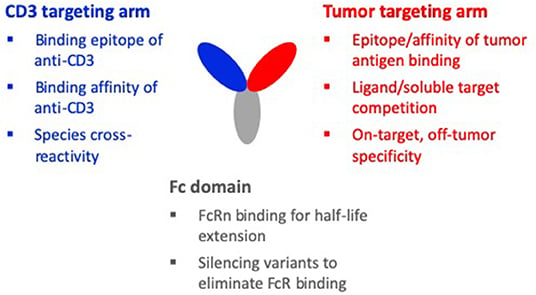
Figure 3 from Front Oncol 2020 Apr 15;10:446. doi: 10.3389/fonc.2020.00446
Case Studies and Clinical Trials
Several BsAb TCEs have shown promising results in preclinical and clinical trials. Here are a
few notable examples:
- Blinatumomab: Blinatumomab (Blincyto) is a BiTE that targets CD3 on T cells and CD19 on
B-cell malignancies. It was the first BsAb TCE approved by the FDA for treating relapsed or refractory
B-cell acute lymphoblastic leukemia (B-ALL). Clinical trials demonstrated that Blinatumomab
significantly improved survival rates in patients with B-ALL.
- Mosunetuzumab: Mosunetuzumab is a second-generation BsAb TCE targeting CD3 and CD20.
Unlike Blinatumomab, Mosunetuzumab is a full-length antibody with improved pharmacokinetic properties.
It is currently being tested in clinical trials for various lymphoma indications and has shown promising
efficacy and safety profiles.
- BsAb TCEs for solid tumor: T cell-based immunotherapies for solid tumors have not
achieved the same clinical success as seen in hematological malignancies, partly due to the
immunosuppressive effects of the tumor microenvironment. However, in May 2024, the FDA approved
IMDELLTRA™ (tarlatamab-dlle), the first and only T-cell engager therapy for treating extensive-stage
small cell lung cancer, bringing new hope for TCEs in solid tumors. More TCE clinical study results are
expected to be released in 2025 [6].
Innovations and Future Directions
The field of BsAb TCE development
is rapidly evolving, with several innovations and future
directions on the horizon:
- New targets and sombination therapies: Researchers are exploring new targets for BsAb
TCEs, including novel tumor antigens and immune checkpoints. Additionally, combination therapies
involving BsAb TCEs and other immunotherapies, such as immune checkpoint inhibitors, are being
investigated to enhance treatment efficacy.
- Future prospects: Ongoing research aims to improve the pharmacokinetics and
biodistribution of BsAb
TCEs, reduce their immunogenicity, and enhance their ability to penetrate solid tumors. These efforts
are expected to lead to the development of more effective and versatile BsAb TCEs.
Conclusion
Bispecific antibody T-Cell Engagers (BsAb TCEs) represent a significant advancement in cancer
immunotherapy. Their ability to bridge T cells and cancer cells offers a powerful tool for targeting and
eliminating cancer cells. While the development of BsAb TCEs presents challenges, ongoing research and
innovation are paving the way for more effective and versatile therapies. The future of BsAb TCEs in cancer
treatment is promising, and continued efforts in this field hold the potential to revolutionize cancer
therapy.
References
[1] Surowka M, Klein C. A pivotal decade for bispecific antibodies? MAbs. 2024
Jan-Dec;16(1):2321635. doi: 10.1080/19420862.2024.2321635. Epub 2024 Mar 11. Erratum in: MAbs. 2024
Jan-Dec;16(1):2335597. doi: 10.1080/19420862.2024.2335597. PMID: 38465614; PMCID: PMC10936642.
[2] Goebeler ME, Bargou RC. T cell-engaging therapies - BiTEs and beyond. Nat Rev Clin Oncol.
2020 Jul;17(7):418-434. doi: 10.1038/s41571-020-0347-5. Epub 2020 Apr 2. PMID: 32242094.
[3] Brinkmann U, Kontermann RE. The making of bispecific antibodies. MAbs. 2017
Feb/Mar;9(2):182-212. doi: 10.1080/19420862.2016.1268307. PMID: 28071970; PMCID: PMC5297537.
[4] Haber, L., Olson, K., Kelly, M.P. et al. Generation of T-cell-redirecting bispecific
antibodies with differentiated profiles of cytokine release and biodistribution by CD3 affinity tuning. Sci
Rep. 2021 Jul 13;11(1):14397. doi: 10.1038/s41598-021-93842-0.
[5] Shanshal M, Caimi PF, Adjei AA, Ma WW. T-Cell Engagers in Solid Cancers-Current Landscape
and Future Directions. Cancers (Basel). 2023 May 18;15(10):2824. doi: 10.3390/cancers15102824.
[6] Vafa O, Trinklein ND. Perspective: Designing T-Cell Engagers With Better Therapeutic
Windows. Front Oncol. 2020 Apr 15;10:446. doi: 10.3389/fonc.2020.00446.


 Most Popular Reagents
 Instruments
 Antibodies
 Protein Electrophoresis and Blotting
 Molecular Biology
 Stable Cell Lines
 Cell Isolation and Activation
 IVD Raw Materials
 Therapy Applications
 Resources