Duration: 8
min

Jeffery Shi
Protein and Antibody Product Marketing
Jeffrey Shi, Head of Protein and Antibody Product Marketing Team of Marketing
Department. He and his team are responsible for customer-centric development of full product
life cycle management for Protein and Antibody, and drive the sustainable development of the
protein antibody business.
Introduction
Antibody drug development has long been a complex and challenging process, akin to
navigating a treasure hunt in dense fog. The journey from discovery to approval is a costly and time-consuming one, with each approved therapy costing over $2.6 billion and requiring more than 10 years of
research and development. Moreover, the success rate is alarmingly low, with less than 10% of antibody drugs
making it through the development process, particularly in the critical phase of developability assessment.
Developability assessment is a crucial step that evaluates the biophysical, biochemical, and
manufacturability properties of antibodies to ensure their stability, safety, and scalability. Traditional
methods for this assessment have relied heavily on laborious experimental screens and low-throughput
analytical tools such as differential scanning calorimetry (DSC) and dynamic light scattering
(DLS)[1].
While these techniques have been foundational, they often fall short in predicting critical stability,
solubility, or immunogenicity risks at an early stage, leading to bottlenecks that delay the translation of
potential therapies into clinical settings.
However, the landscape of antibody drug development is undergoing a revolutionary
transformation, thanks to the advent of artificial intelligence (AI), particularly machine learning (ML). AI
is reshaping the way we approach antibody development by integrating high-throughput virtual screening,
physics-based simulations, and closed-loop experimental validation. This enables the rapid
identification of optimal antibody candidates and allows for predictive modeling and optimization with
unprecedented speed and accuracy[2].
The Developability Challenge: Why AI is Indispensable
The journey of antibody drug development is fraught with challenges, particularly in the realm of
developability assessment. This critical phase requires a delicate balance of three key pillars: biophysical
stability, manufacturability, and safety. Understanding these pillars and the challenges associated with them is
crucial to appreciating the transformative role of AI in this field.
1.The Three Key Pillars of Developability Assessment
- Biophysical Stability: This refers to the antibody's resistance to aggregation, its
thermostability, and its solubility under physiological conditions[3]. Aggregation can compromise the
efficacy and safety of the antibody, making it a critical factor to consider.
- Manufacturability: High expression yields, low viscosity for subcutaneous delivery, and
resistance to
chemical degradation are essential for the manufacturability of an antibody[4]. Antibodies that are
difficult to manufacture can lead to increased costs and delays in the development process.
- Safety: Safety is a paramount concern in antibody drug development. This includes low
immunogenicity and
minimal off-target interactions[5]. Immunogenicity can lead to adverse immune responses, while off-target
interactions can result in unintended side effects.
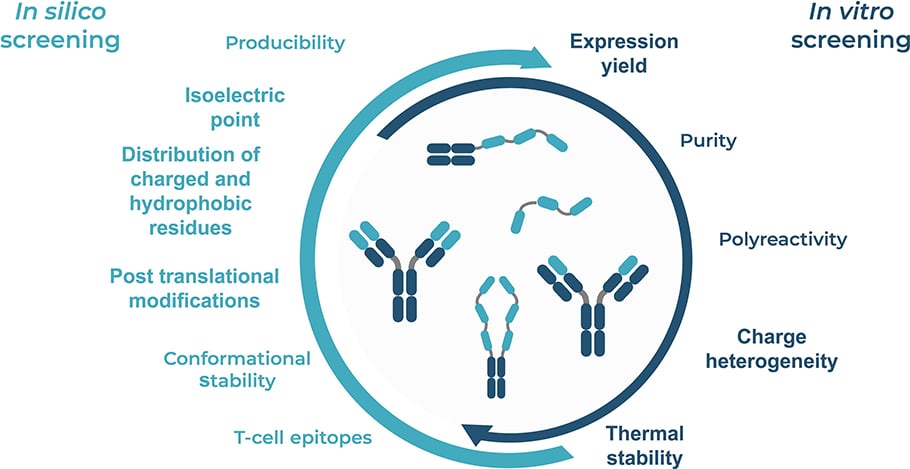
Figure 1. Key properties that are typically co-optimised to achieve specified
antibody developability attributes of the CDTP. Adapted from Wossnig et al., Drug Discovery Today
2024, 29,
104025. DOI: 10.1016/j.drudis.2024.104025.
2.The Limitations of Traditional Methods
- Limited Sequence Exploration: Experimental screens (e.g., phage display) test only
~106–108 variants, a
minuscule fraction of the theoretical antibody sequence space (~1013 possible CDR-H3 loops alone)
[6]. This
limited sequence exploration means that many potentially promising antibody candidates may be overlooked.
- Late-Stage Failures: Up to 40% of antibody candidates fail in clinical trials due to
unanticipated
developability issues. These late-stage failures not only cost the industry billions of dollars annually
but also delay the availability of potentially life-saving therapies[7]. The inability of
traditional
methods to predict these issues early on is a significant drawback.
3. How AI Addresses These Challenges
AI, particularly machine learning, is revolutionizing the way we approach developability assessment
in antibody drug development. It addresses the challenges posed by traditional methods in several ways.
- Expanding Sequence Diversity: Generative models can design novel antibody sequences that go
beyond the
limitations of natural immune repertoires[8]. This allows for a more comprehensive exploration of
the
antibody sequence space, increasing the chances of finding optimal candidates.
- Early Risk Prediction: Machine learning models trained on historical data can flag
high-risk candidates
before costly wet-lab experiments are conducted[9]. This early prediction of potential
developability issues
allows for more efficient allocation of resources and reduces the risk of late-stage failures.
- Enhanced Predictive Power: AI-driven developability prediction tools can decode complex
sequence -
function relationships, providing more accurate and comprehensive predictions of an antibody's properties.
This enables researchers to make more informed decisions during the development process.
AI-Driven Developability Prediction: From Sequence to Function
One of the most exciting aspects of AI in antibody drug development is its ability to decode the
complex relationship between antibody sequences and their functions. This has led to significant advancements in
developability prediction, enabling researchers to predict critical properties directly from antibody sequences.
In this section, we will explore the key applications of AI-driven developability prediction, focusing on
predicting aggregation and solubility, immunogenicity risk assessment, and thermostability profiling.
1. Predicting Aggregation and Solubility
Antibody aggregation, often triggered by hydrophobic residues in complementarity-determining
regions (CDRs), compromises efficacy and safety. Traditional methods for predicting aggregation, such as DSC or
SEC, are often low-throughput and may not provide a comprehensive understanding of the factors contributing to
aggregation[10]. ML models can analyze sequence features linked to aggregation and provide more
accurate
predictions. For example:
- K-Nearest Neighbor (KNN) Models: KNN models have been used to analyze the spatial charge
distribution in
CDR-H2 loops, achieving high accuracy (r=0.89) in predicting aggregation-prone motifs[11]. These
models can
identify specific sequence features that are associated with aggregation, allowing researchers to design
antibodies with improved stability.
- Deep Learning for Viscosity Prediction: Lai et al. (2021) proposed a machine learning
framework that
extracts molecular features from molecular dynamics simulations to train predictive models for therapeutic
antibody aggregation rates at high concentrations[12].
2. Immunogenicity Risk Assessment
Immunogenicity arises when antibody sequences contain T-cell epitopes that bind to MHC-II
molecules, triggering immune responses. Immunogenicity prediction traditionally required laborious MHC-binding
assays. ML now accelerates this by analyzing sequence motifs for potential B- and T-cell epitopes.
- T-Cell Epitope Prediction: AbImmPred, built on the AntiBERTy language model, scans antibody
sequences for
immunogenic hotspots[13]. This tool can identify specific sequence features that are associated
with
immunogenicity, allowing researchers to design antibodies with lower immunogenicity risks.
- Deimmunization Algorithms: EpiSweep seamlessly integrates computational prediction of
immunogenic T cell epitopes with sequence or structure based assessment of the impacts of mutations on
protein stability and function, in order to select combinations of mutations that make Pareto optimal
trade-offs between the competing goals of low immunogenicity and high-level function[14].
The FDA now recommends the use of immunogenicity prediction tools in early development phases to
mitigate clinical trial risks, highlighting the importance of AI in this area.
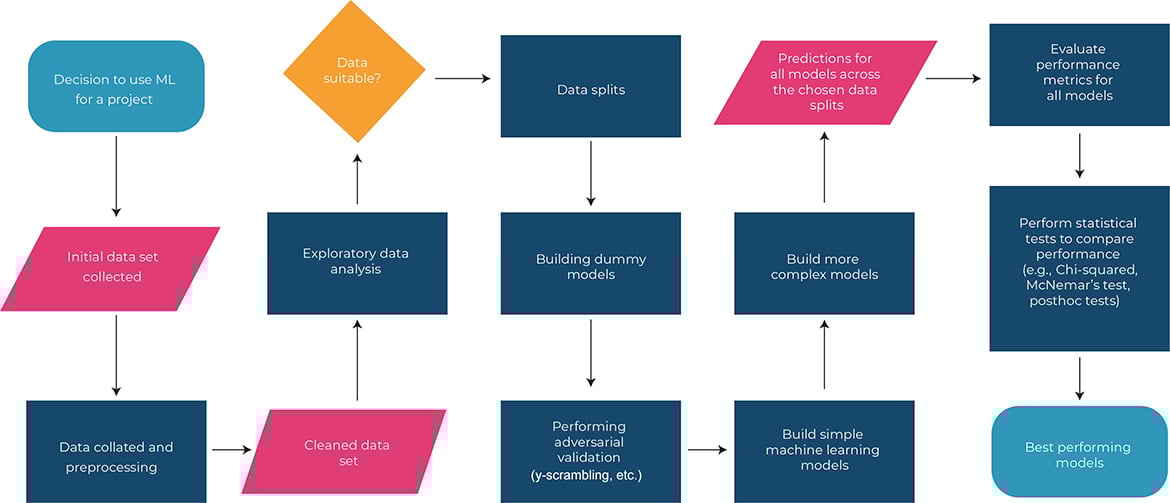
Figure 2. Systematic process overview of the different ML
evaluation steps. Adapted from Wossnig et al., Drug Discovery Today 2024, 29, 104025. DOI:
10.1016/j.drudis.2024.104025.
3. Thermostability Profiling
Thermostability, measured by melting temperature (Tm), depends on structural
flexibility and
entropy. Traditional methods like DSC are low-throughput and costly. AI has provided a more efficient and
accurate alternative through the integration of molecular dynamics (MD) simulations and machine learning.
- AbMelt: This tool combines MD trajectories with ML to predict Tm
values. By simulating
antibody unfolding
pathways, AbMelt can identify destabilizing residues and recommend stabilizing mutations, such as
substituting solvent-exposed hydrophobic residues with polar ones[15]. This allows researchers
to design
antibodies with improved thermostability, enhancing their manufacturability and shelf life.
- Support Vector Machines (SVMs): A method based on SVMs that is able to predict whether a
set of mutations
(including insertion and deletions) can enhance the thermostability of a given protein sequence. When
trained and tested on a redundancy-reduced dataset, their predictor achieves 88% accuracy and a correlation
coefficient equal to 0.75[16]. This demonstrates the potential of AI in predicting and optimizing
thermostability, a key factor in antibody drug development.
Multi-Parameter Optimization: Balancing Competing Requirements
In the world of antibody drug development, developability is not a one-size-fits-all concept.
Antibody development involves a delicate balance of various biophysical properties. It is a complex,
multi-objective optimization problem where enhancing one property may inadvertently worsen another. For example,
improving the thermostability of an antibody might lead to a decrease in its solubility.
Traditional methods often struggle to address this complexity, as they typically focus on
optimizing individual properties in isolation. This can result in antibodies that excel in one aspect but fall
short in others, ultimately compromising their overall developability. This is where AI steps in, offering
powerful tools to balance these competing requirements and optimize antibody properties in a comprehensive
manner.
1. Ensemble Modeling
Ensemble modeling is a powerful technique that combines predictions from multiple algorithms to
improve the robustness and accuracy of developability assessments. By integrating predictions for various
biophysical properties, such as aggregation, solubility, and charge heterogeneity, into a unified developability
score, researchers can gain a more comprehensive understanding of an antibody's overall developability.
- Holistic Scoring Systems: Hebditch and Warwicker (2019) integrated predictions for 12
biophysical
properties (e.g., aggregation, solubility, charge heterogeneity) into a unified developability score. This
approach significantly reduces the failure rate of drug candidates in late-stage development by
comprehensively evaluating multiple biophysical properties[17].
2. Self-Driving Laboratories
AI systems iteratively refine predictions using experimental feedback. Drawing from the concepts of
SAMPLE (a self-driving laboratory platform for protein landscape exploration) and ProtAgents (a multi-agent
framework for protein design), Zheng et al. (2024) propose the future opportunity of Antibody Design AI
Agents[18][19]. This system would act as an autonomous collaborator, capable of end-to-end antibody
optimization
by iteratively designing, testing, and refining candidates based on key biophysical properties like binding
affinity, solubility, expression, thermostability, and immunogenicity[18].
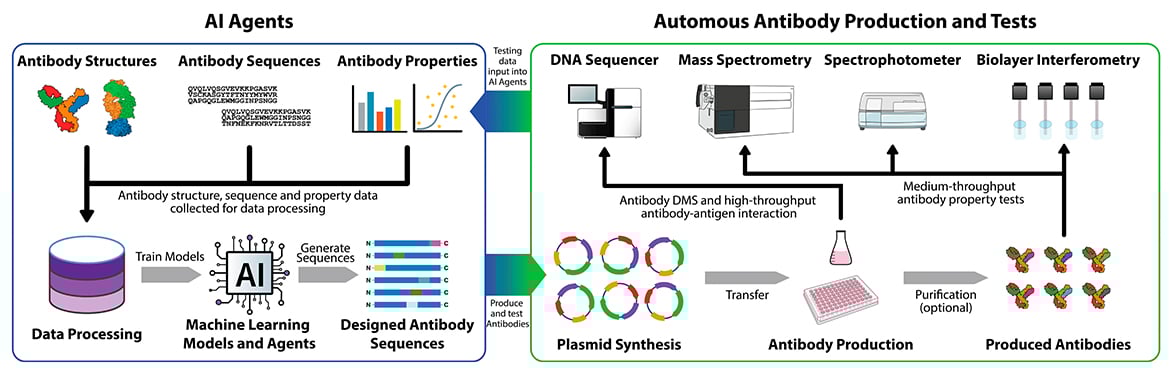
Figure 3. Antibody Design AI Agent and autonomous antibody
production and testing. Adapted from Zheng et al., Molecules 2024, 29(24), 5923. DOI:
10.3390/molecules29245923.
Antibody Design AI Agents: Toward Autonomous Drug Development
The future of antibody drug development is poised to be revolutionized by the emergence of Antibody
Design AI Agents. These integrated systems, combining generative models, robotic labs, and real-time
analytics, are paving the way for autonomous drug development, promising to deliver biologics with unprecedented
speed, safety, and stability.
1. Generative AI for Antibody Design
Generative AI is at the forefront of this revolution, enabling the design of antibodies with
unprecedented precision and efficiency.
- IgLM: A language model trained on 558 million antibody sequences generates human-like
variable regions
with predefined CDR properties. In a recent study, IgLM designed antibodies targeting SARS-CoV-2 with
10-fold higher affinity than natural convalescent plasma[20].
- AlphaFold3: Building on the success of its predecessor, AlphaFold2, AlphaFold3 not only
continues to
accurately predict the three-dimensional structure of proteins but also expands its horizons to the entire
field of biomolecules. This includes nucleic acids, small molecules, ions, and even chemically modified
complexes. A study on the protein-protein interactions of the PD-1/PD-L1 complex demonstrated that
AlphaFold3 could effectively predict the protein-protein interface and the PPI network, with only a few
expected inaccuracies[21].
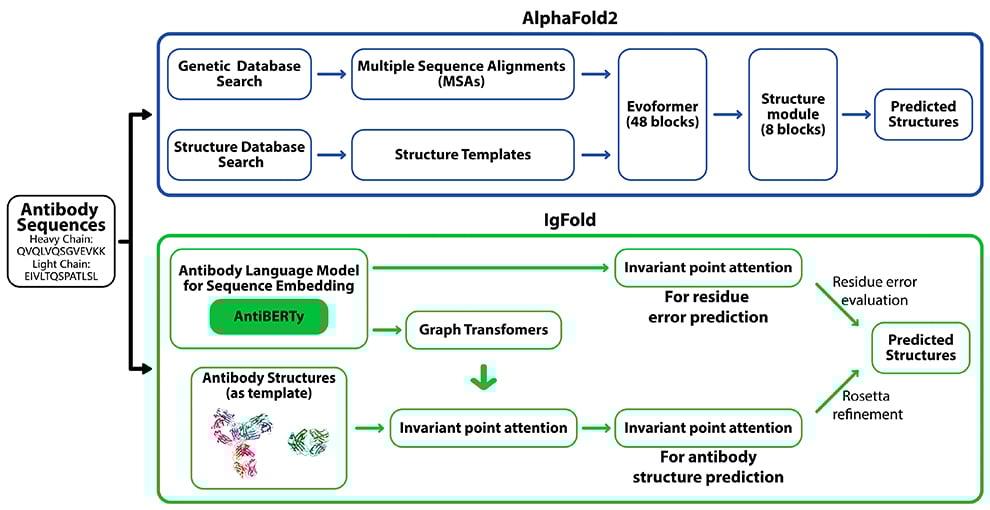
Figure 4. AlphaFold2 and IgFold pipelines. Adapted from Zheng et
al., Molecules 2024, 29(24), 5923. DOI: 10.3390/molecules29245923.
2. Specialized Sub-Agents
In addition to generative AI, specialized sub-agents are playing a crucial role in optimizing
various aspects of antibody development. These sub-agents are designed to address specific challenges and
enhance the overall efficiency of the development process.
- Expression Optimization Agents: These tools optimize codon usage, promoter strength, and
vector design.
For instance, CodonWizard is a powerful tool that selects high-efficiency codons for CHO cells, resulting
in significant improvements in antibody production[22].
- Evaluation Agents: Evaluation agents deploy high-throughput assays to measure critical
properties such
as binding kinetics, aggregation, and viscosity. The Octet® HTX platform, integrated with machine learning,
is a prime example of such an agent. It can screen a large number of antibodies for developability
efficiently, providing valuable data that guides the optimization process[23].
Challenges and Future Directions
While AI has shown immense potential in revolutionizing antibody drug development, it is not
without its challenges. Addressing these challenges and exploring future directions are crucial for the
continued advancement of this field.
1. Data Quality and Bias
One of the primary challenges facing AI in antibody drug development is the issue of data quality
and bias. Machine learning models rely heavily on the datasets they are trained on, and the quality of these
datasets directly impacts the accuracy and reliability of the models. Currently, datasets such as SAbDab
(Structural Antibody Database) and OAS (Observed Antibody Space) are skewed towards well-studied targets, such
as those related to cancer and infectious diseases, and IgG1 subtypes[24][25]. This bias in the data
can lead to
limitations in the predictive power of AI models, as they may not generalize well to less-studied targets or
subtypes.
2. Regulatory Compliance
Another significant challenge is ensuring regulatory compliance in the use of AI for antibody drug
development. As AI-driven methods become more prevalent in the development process, regulatory agencies such as
the FDA are tasked with establishing guidelines and frameworks to ensure the safety and efficacy of AI-developed
therapies. The FDA is currently supporting the development of methods to build fairness into its
AI-as-a-medical-device framework, with principles that include enhancing trust in such systems through
transparency and supporting regulatory science research into methodologies for identifying and mitigating
bias[26].
3. Future Directions
- Digital Twins: The development of digital twins are virtual replicas of manufacturing
processes. These
digital twins can be used to predict scale-up challenges, such as aggregation in bioreactors, and optimize
manufacturing parameters to improve yield and quality[18]. By leveraging digital twins,
researchers can gain
a deeper understanding of the manufacturing process and identify potential issues before they occur, leading
to more efficient and cost-effective production of antibody therapies.
- Quantum Computing: Quantum computing has the potential to revolutionize our understanding
of antibody
folding and epitope prediction by enabling the simulation of complex molecular interactions at the quantum
level[27]. This could lead to more accurate predictions of antibody-antigen interactions and the
identification of novel antibody candidates with improved binding affinity and specificity.
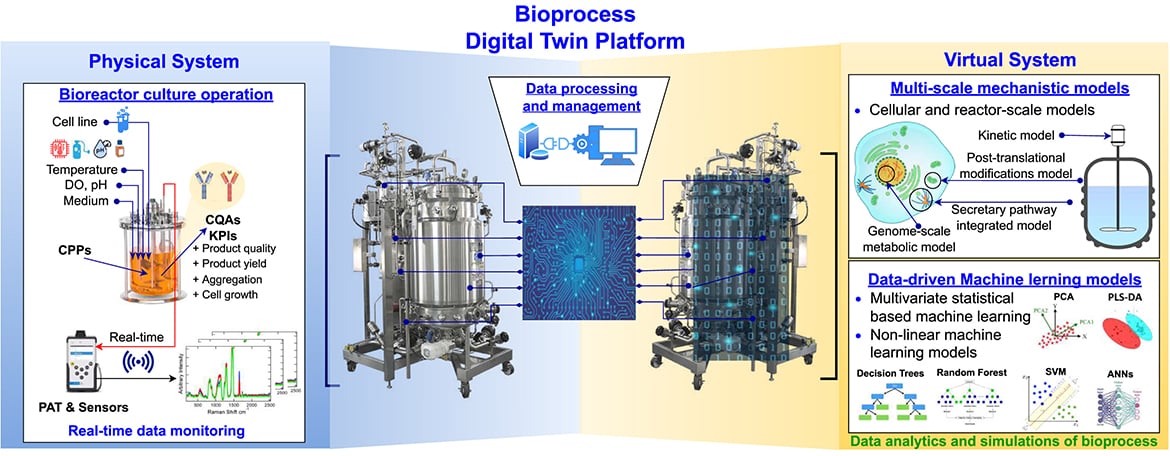
Figure 5. Challenges and future perspectives in bispecific
antibodies (bsAbs). Adapted from Smith et al., Trends Cancer 10(1):50-68 (2024). DOI:
10.1016/j.trecan.2024.07.002 .
Conclusion
In the realm of antibody development, AI stands as a transformative force, reshaping the landscape
from a high-risk, time-consuming endeavor to a data-driven, efficient cycle. It empowers researchers to decode
the biophysical intricacies of antibodies, enabling the design of safer and more manufacturable drugs. As we
move forward, the synergy between AI and human expertise, along with interdisciplinary collaboration, will be
the key to unlocking the full potential of this technology.
As emphasized by Zheng et al. (2024), the future holds the promise of "autonomous pipelines" that
will deliver biologics with unprecedented speed, safety, and stability[18]. For scientists and developers,
embracing AI is no longer a choice but a necessity to thrive in the evolving world of therapeutic antibodies,
ushering in an era where the development of biologics is not just faster and cheaper, but also smarter and more
precise.
References
[1] Xu, Y., Wang, D., Mason, B., Rossomando, T., Li, N., Liu, D., … Liu, H. (2018). Structure, heterogeneity and developability assessment of therapeutic antibodies. _mAbs_, _11_(2), 239–264. https://doi.org/10.1080/19420862.2018.1553476
[2] Mieczkowski, C., Zhang, X., Lee, D., Nguyen, K., Lv, W., Wang, Y., … Gries, J. M. (2023). Blueprint for antibody biologics developability. _mAbs_, _15_(1). https://doi.org/10.1080/19420862.2023.2185924
[3] Chennamsetty, N., Voynov, V., Kayser, V., Helk, B., & Trout, B. L. (2009). Design of therapeutic proteins with enhanced stability. _Proceedings of the National Academy of Sciences of the United States of America_, _106_(29), 11937-11942. https://doi.org/10.1073/pnas.0904191106
[4] Sharma, V. K., Patapoff, T. W., Kabakoff, B., Pai, S., Hilario, E., Zhang, B., Li, C., Borisov, O., Kelley, R. F., Chorny, I., Zhou, J. Z., Dill, K. A., & Swartz, T. E. (2014). In silico selection of therapeutic antibodies for development: Viscosity, clearance, and chemical stability. _Proceedings of the National Academy of Sciences of the United States of America_, _111_(52), 18601-18606. https://doi.org/10.1073/pnas.1421779112
[5] Wolf Pérez, A. M., Lorenzen, N., Vendruscolo, M., & Sormanni, P. (2022). Assessment of Therapeutic Antibody Developability by Combinations of In Vitro and In Silico Methods. _Methods in Molecular Biology (Clifton, N.J.)_, _2313_, 57–113. https://doi.org/10.1007/978-1-0716-1450-1_4
[6] Xu, Y., Roach, W., Sun, T., Jain, T., Prinz, B., Yu, T. Y., Torrey, J., Thomas, J., Bobrowicz, P., Vásquez, M., Wittrup, K. D., & Krauland, E. (2013). Addressing polyspecificity of antibodies selected from an in vitro yeast presentation system: a FACS-based, high-throughput selection and analytical tool. _Protein Engineering, Design & Selection (PEDS)_, _26_(10), 663–670. https://doi.org/10.1093/protein/gzt047
[7] Jain, T., Sun, T., Durand, S., Hall, A., Houston, N. R., Nett, J. H., Sharkey, B., Bobrowicz, B., Caffry, I., Yu, Y., Cao, Y., Lynaugh, H., Brown, M., Baruah, H., Gray, L. T., Krauland, E. M., Xu, Y., Vásquez, M., & Wittrup, K. D. (2017). Biophysical properties of the clinical-stage antibody landscape. _Proceedings of the National Academy of Sciences of the United States of America_, _114_(5), 944–949. https://doi.org/10.1073/pnas.1616408114
[8] Khetan, R., Curtis, R., Deane, C. M., Hadsund, J. T., Kar, U., Krawczyk, K., … Martin, A. C. R. (2022). Current advances in biopharmaceutical informatics: guidelines, impact and challenges in the computational developability assessment of antibody therapeutics. _mAbs_, _14_(1). https://doi.org/10.1080/19420862.2021.2020082
[9] Bailly, M., Mieczkowski, C., Juan, V., Metwally, E., Tomazela, D., Baker, J., … Fayadat-Dilman, L. (2020). Predicting antibody developability profiles through early stage discovery screening. _mAbs_, _12_(1). https://doi.org/10.1080/19420862.2020.1743053
[10] Perchiacca, J. M., Ladiwala, A. R., Bhattacharya, M., & Tessier, P. M. (2012). Aggregation-resistant domain antibodies engineered with charged mutations near the edges of the complementarity-determining regions. _Protein Engineering, Design & Selection (PEDS)_, _25_(10), 591–601. https://doi.org/10.1093/protein/gzs042
[11] Lai, P. K., Gallegos, A., Mody, N., Sathish, H. A., & Trout, B. L. (2022). Machine learning prediction of antibody aggregation and viscosity for high concentration formulation development of protein therapeutics. _mAbs_, _14_(1), 2026208. https://doi.org/10.1080/19420862.2022.2026208
[12] Lai, P. K., Fernando, A., Cloutier, T. K., Kingsbury, J. S., Gokarn, Y., Halloran, K. T., Calero-Rubio, C., & Trout, B. L. (2021). Machine learning feature selection for predicting high concentration therapeutic antibody aggregation. _Journal of Pharmaceutical Sciences_, _110_(4), 1583–1591. https://doi.org/10.1016/j.xphs.2020.12.014
[13] Wang, H., Hao, X., He, Y., & Fan, L. (2024). AbImmPred: An immunogenicity prediction method for therapeutic antibodies using AntiBERTy-based sequence features. _PloS One_, _19_(2), e0296737. https://doi.org/10.1371/journal.pone.0296737
[14] Choi, Y., Verma, D., Griswold, K. E., & Bailey-Kellogg, C. (2017). EpiSweep: Computationally driven reengineering of therapeutic proteins to reduce immunogenicity while maintaining function. _Methods in Molecular Biology (Clifton, N.J.)_, _1529_, 375–398. https://doi.org/10.1007/978-1-4939-6637-0_20
[15] Rollins, Z. A., Widatalla, T., Cheng, A. C., & Metwally, E. (2024). AbMelt: Learning antibody thermostability from molecular dynamics. _Biophysical Journal_, _123_(17), 2921–2933. https://doi.org/10.1016/j.bpj.2024.06.003
[16] Montanucci, L., Fariselli, P., Martelli, P. L., & Casadio, R. (2008). Predicting protein thermostability changes from sequence upon multiple mutations. _Bioinformatics (Oxford, England)_, _24_(13), i190–i195. https://doi.org/10.1093/bioinformatics/btn166
[17] Hebditch, M., Roche, A., Curtis, R. A., & Warwicker, J. (2019). Models for antibody behavior in hydrophobic interaction chromatography and in self-association. _Journal of Pharmaceutical Sciences_, _108_(4), 1434–1441. https://doi.org/10.1016/j.xphs.2018.11.035
[18] Zheng, J., Wang, Y., Liang, Q., Cui, L., & Wang, L. (2024). The application of machine learning on antibody discovery and optimization. _Molecules_, _29_(24), 5923. https://doi.org/10.3390/molecules29245923
[19] Rapp, J. T., Bremer, B. J., & Romero, P. A. (2024). Self-driving laboratories to autonomously navigate the protein fitness landscape. _Nature Chemical Engineering_, _1_(1), 97–107. https://doi.org/10.1038/s44286-023-00002-4
[20] Shuai, R. W., Ruffolo, J. A., & Gray, J. J. (2023). IgLM: Infilling language modeling for antibody sequence design. _Cell Systems_, _14_(11), 979–989.e4. https://doi.org/10.1016/j.cels.2023.10.001
[21] Evaluating protein-protein interactions in AF3 predicted complexes: a PD-1 case study. Retrieved from https://3decision.discngine.com/blog/2024/8/8/evaluating-protein-protein-interactions-in-af3-predicted-complexes-a-pd-1-case-study
[22] You, M., Yang, Y., Zhong, C., _et al._ (2018). Efficient mAb production in CHO cells with optimized signal peptide, codon, and UTR. _Applied Microbiology and Biotechnology_, _102_, 5953–5964. https://doi.org/10.1007/s00253-018-8986-5
[23] Bates, T. A., Gurmessa, S. K., Weinstein, J. B., _et al._ (2024). Biolayer interferometry for measuring the kinetics of protein–protein interactions and nanobody binding. _Nature Protocols_. https://doi.org/10.1038/s41596-024-01079-8
[24] SAbDab: The Structural Antibody Database. Retrieved from https://opig.stats.ox.ac.uk/webapps/sabdab-sabpred/sabdab/search/
[25] OAS: Observed Antibody Space. Retrieved from https://opig.stats.ox.ac.uk/webapps/oas/
[26] Surmacz, K., Kamath, A. F., & Van Andel, D. (2021). Fairness in AI: How Can We Avoid Bias and Disparities in Orthopedic Applications of Artificial Intelligence? _Journal of Orthopaedic Experience & Innovation_, _2_(2). https://doi.org/10.60118/001c.25901
[27] Chachkarova, E., Tse, T., Yordanov, Y., Wei, Y., & Weber, C. (2025). Quantum Embedding of Non-Local Quantum Many-Body Interactions in a Prototypal Anti-Tumor Vaccine Metalloprotein on Near-Term Quantum Computing Hardware. _International Journal of Molecular Sciences_, _26_(4), 1550. https://doi.org/10.3390/ijms26041550


 Most Popular Reagents
 Instruments
 Antibodies
 Protein Electrophoresis and Blotting
 Molecular Biology
 Stable Cell Lines
 Cell Isolation and Activation
 IVD Raw Materials
 Therapy Applications
 Resources