Duration: 6
min

Fei Wang, Ph.D.
Senior Scientist
Dr. Fei Wang graduated from Yangzhou University with a Ph.D. in Preventive
Veterinary Medicine. Fei has published his work in journals, including Emerging Microbes &
Infections and Microbiology Spectrum, and his dissertation was awarded as an Excellent
Doctoral Dissertation in Jiangsu Province. He joined GenScript's Antibody Department and has
been working as a Senior Scientist since 2022. Fei has over 8 years of experience in
antibody discovery and antibody-based assay development. He is currently responsible for the
polyclonal antibody platform and kit development platform. He has participated in the
delivery of over 100 anti-ID projects and 10 customized PK kit projects.
Introduction
The immune network theory states that variable region from the lymphocytes and molecules are foreign to the vertebrate, which may result in the interactions between different variable regions1. In brief, any antibody in our immune system may induce antibodies specific to its variable region. Anti-idiotypic (Anti-ID) antibody is the general term of the anti-antibody antibody which recognize the variable region of the target antibody. Some of anti-ID antibodies bind the site within paratope and block the target antibody from binding with the antigen. These anti-ID antibodies are blockers. The other anti-ID antibodies are non-blockers, which have nearly no inhibitory effect on binding between the antibody and antigen.
Blocking anti-ID antibodies are very important in immunoregulation to inhibit the potential influence caused by high-level antibodies and contribute to the balanced network during non-immune state. Moreover, some blocking anti-ID antibodies pose internal image of the antigen (Figure 1), which mimic the structure of the antigen and can functionally bind with the target ligand. Interestingly, these anti-ID antibodies can further induce anti-anti-ID antibody that can recognize the primary antigen.
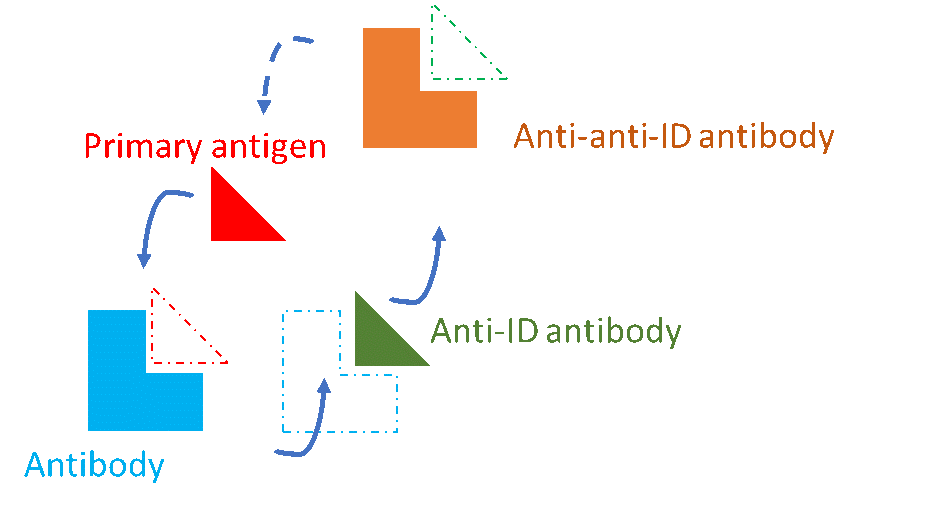
Figure 1. Internal image of blocking anti-ID antibody
Applications of anti-ID antibodies in various therapies
Vaccines based on anti-ID antibodies
To some highly pathogenic pathogens, potential autoantigen or the immunogen with poor immunogenicity due to immune tolerance, these primary antigens may not be the best choice as immunogenic components of vaccine. Therefore, anti-ID antibodies with the epitope mimicking of the primary antigen are potential candidates for them. The anti-ID polyclonal antibody against the mAbs which are specific for influenza hemagglutinin is able to elicit anti- hemagglutinin protective antibodies in mice2. Anti-ID mAb can mimic RSV fusion protein and boost potent and broadly neutralizing response against RSV A and B viruses in mice3. Moreover, anti-ID antibodies can even evolve into structures as capsular polysaccharides of bacteria4.
Tumor therapies using anti-ID antibodies
Immunoglobulin derived from B-cell lymphoma can be used as tumor-specific marker to induce specific anti-ID antibodies5. Lots of anti-ID mAbs that mimic diverse tumor-associated antigens (TAAs) have been used in mice model, and demonstrate promising results. The anti-ID drug Racotumomab (Vaxira) mimics NGc gangliosides and acts as therapeutic vaccine which has been approved for non-small cell lung cancer patients in recurrent or advanced stages (IIIB/IV) in Cuba and Argentina. It induces the patient's immune system to generate a response against a cancer-specific molecular target with the purpose of blocking tumor growth, slowing disease progression and ultimately increasing patient survival.
The greatest challenge of immunotherapy using anti-ID antibodies is to identify the optimal anti-ID antibody with surrogate TAA character, and ability to elicit both humoral and cellular immune responses.
Agonistic anti-ID antibodies
There are many reports on the generation of agonistic anti-ID antibodies. Some of these anti-ID antibodies contain internal images of autacoid as IFN-γ, IL-1 or angiotensin6. Some of them can act as neurotransmitter as haloperidol, acetylcholine, serotonin. Some anti-ID antibodies mimic the bioeffects of hormones.
Autoimmune disease therapies based on anti-ID antibodies
Rheumatoid factor is a group of autoantibodies that can recognize the Fc segment of denatured immunoglobulin IgG and result in arthritis and bone destruction. Anti-ID antibodies against monoclonal rheumatoid factor have potential to treat rheumatoid arthritis. The anti-ID antibodies against lupus autoantibodies also pose quite good potency in patients with systemic lupus erythematosus6.
Applications of anti-ID antibodies in pharmacokinetic and immunogenic study
Ligand binding assay (LBA)
Radioimmunoassay, enzyme immunoassay and fluorescence immunoassay are most used for the detection of antibody drug. Enzyme-linked immunosorbent assay (ELISA) is the most simple and common LBA for antibody drug PK. There are dozens of LBA formats for antibody drug detection, while only few of them can be used for PK to detect all kinds of antibody drugs as free ones, partial free ones and bound ones (Figure 2). Some formats depend on the free antigen ligand and do not work for the transmembrane ligand. A pair of non-blocking anti-ID antibodies for sandwich LBA is ideal for PK study and with very high specificity to the antibody drug because of no cross-reaction with total IgG in serum. Furthermore, this kind of assay with non-blocking anti-ID antibodies is generic in both preclinical and clinical PK studies.
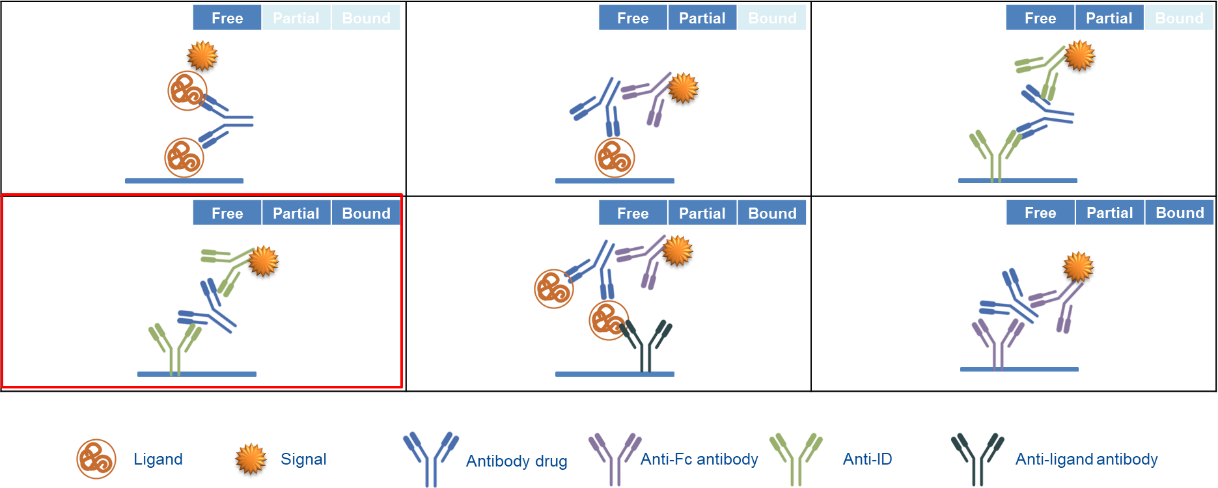
Figure 2. LBA formats for antibody drug PK
In ADA detection of antibody drug, anti-ID antibodies are used as positive control for LBA method. A three-tier approach including a screening assay, a confirmation assay and a titration assay is used for verifying the presence of ADA. Quantitative detection of neutralizing ADA during titration assay is used to evaluate the potential impact of ADA on drug efficacy, which always needs a blocking anti-ID mAb as reference standard.
Immunocapture--liquid chromatograph-mass spectrometer (LC/MS)
The ligand of antibody drug, anti-ID mAb and the generic antibody (for example anti-Fc antibody) all can be used to capture the antibody drug for LC/MS, while only non-blocking anti-ID mAb can react with antibody drugs in ligand-drug complexes or ADA-drug complexes. After washing, acidic buffer is added for elution, and the elution product can be analyzed by liquid chromatography-high resolution mass spectrometry (LC-HRMS). The mass spectrum result can be directly quantitatively analyzed or deconvoluted to obtain the mass distribution of the antibody drug.
Biotinylated antibody drug or anti-ID mAb is used to capture ADAs or drug-ADA complexes in plasma, respectively7. The resulting ADA-drug or ADA-drug-Ab complexes are then immobilized on streptavidin magnetic beads and separated from matrix by a magnet. After washing, ADA is released from the beads and subjected to trypsin digestion followed by LC/MS detection of specific universal peptides for each ADA isotype.
GenScript——One stop Anti-ID antibody development service
Anti-ID antibody development service from GenScript covers diverse types of antigens, including antibody drugs, GCT drugs, peptide drugs, protein drugs, vaccines, oligonucleotide drugs, and small molecule drugs, and provides mouse and rabbit monoclonal antibodies for PK assay development and rabbit-derived ADA for immunogenicity test. The shortest turnaround time for rabbit ADA polyclonal development is 7 weeks, the shortest turnaround time for Anti-ID rabbit monoclonal antibody development is 9 weeks, and the shortest turnaround time for Anti-ID mouse monoclonal antibody development is 10 weeks. GenScript also provides one-stop services such as preparing peptides, proteins, mRNA, and oligonucleotide as antigen. Moreover, both antibody labeling and the development of PK/ADA kits after antibody development can be done at GenScript.
References
[1] "Immune network theory," Wikipedia, The Free Encyclopedia, https://en.wikipedia.org/w/index.php?title=Immune_network_theory&oldid=1238948344
[2] Dinca L, Neuwirth S, Schulman J, Bona C. Induction of anti-hemagglutinin antibodies by polyclonal anti-idiotype antibodies. Viral Immunol. 1993 Spring;6(1):75-84.
[3] Mukhopadhyay S, Manolaridis I, Warren C, Tang A, O'Donnell G, Luo B, Staupe RP, Vora KA, Chen Z. Anti-Idiotypic Antibody as a Booster Vaccine Against Respiratory Syncytial Virus. Vaccines (Basel). 2025 Jan 2;13(1):35.
[4] Park IH, Youn JH, Choi IH, Nahm MH, Kim SJ, Shin JS. Anti-idiotypic antibody as a potential candidate vaccine for Neisseria meningitidis serogroup B. Infect Immun. 2005 Oct;73(10):6399-406.
[5] Casales E, Martisova E, Villanueva H, de Cerio ALD, Inoges S, Silva-Pilipich N, Ballesteros-Briones MC, Aranda A, Bezunartea J, Bendandi M, Pastor F, Smerdou C. Idiotype vaccines produced with a non-cytopathic alphavirus self-amplifying RNA vector induce antitumor responses in a murine model of B-cell lymphoma. Sci Rep. 2021 Nov 2;11(1):21427.
[6] Stanova AK, Ryabkova VA, Utekhin SV, Shoenfeld VJ, Churilov LP, Shoenfeld Y. Anti-Idiotypic Agonistic Antibodies: Candidates for the Role of Universal Remedy. Antibodies (Basel). 2020 May 28;9(2):19.
[7] Chen LZ, Roos D, Philip E. Development of Immunocapture-LC/MS Assay for Simultaneous ADA Isotyping and Semiquantitation. J Immunol Res. 2016;2016:7682472.


 Most Popular Reagents
 Instruments
 Antibodies
 Protein Electrophoresis and Blotting
 Molecular Biology
 Stable Cell Lines
 Cell Isolation and Activation
 IVD Raw Materials
 Therapy Applications
 Resources