Duration: 5
min

Jeffery Shi
Protein and Antibody Product Marketing
Jeffrey Shi, Head of Protein and Antibody Product Marketing Team of Marketing
Department. He and his team are responsible for customer-centric development of full product
life cycle management for Protein and Antibody, and drive the sustainable development of the
protein antibody business.
Introduction
Bispecific antibodies (bsAbs) represent a significant advancement in precision
medicine, with 11 bsAb products approved by the FDA as of December 2023. These bsAbs are categorized
into IgG-like and non-IgG-like formats, with IgG-like antibodies offering stability and effector
functions, while non-IgG-like antibodies provide smaller size and easier production. Production
challenges include optimizing yield and ensuring stability, with mammalian cells like CHO and HEK293
being common expression systems. Despite their potential, bsAbs face challenges such as side effects and
production complexity. Ongoing research focuses on exploring new targets, improving engineering
techniques, and enhancing safety. As technology advances, bsAbs are poised to expand their therapeutic
potential and transform disease treatment.
FDA-Approved Bispecific Antibodies
As of December 2023, the U.S. Food and Drug Administration (FDA) has approved 11 bispecific
antibody (bsAb) products, primarily targeting cancer, hematologic conditions, and ocular diseases[1].
The development of bsAbs is rapidly growing, with over 100 bsAbs currently in clinical
development[2].
Key milestones in bsAb development include the approval of Blinatumomab, a CD19/CD3 T-cell engaging
bsAb for B-cell precursor acute lymphoblastic leukemia (ALL), which has shown significant efficacy in clinical
trials compared to traditional chemotherapy[3]. Another notable approval is Amivantamab, targeting
EGFR and cMET for non-small cell lung cancer (NSCLC), demonstrating the potential of bsAbs to enhance
therapeutic efficacy by targeting multiple pathways simultaneously[4].
Below is a detailed list of the FDA-approved bispecific antibodies[2] [5] [6]:
Table 1. FDA-Approved Bispecific Antibodies
| Trade Name |
Active Ingredient |
Year Approved |
Indication |
| Blincyto |
blinatumomab |
2014 |
Philadelphia chromosome-negative relapsed or refractory B cell precursor acute
lymphoblastic leukemia |
| Hemlibra |
emicizumab-kxwh |
2017 |
To prevent or reduce the frequency of bleeding episodes in hemophilia A with factor
VIII inhibitors |
| Rybrevant |
amivantamab-vmjw |
2021 |
To treat locally advanced or metastatic non-small cell lung cancer with certain
mutations |
| Kimmtrak |
tebentafusp-tebn |
2022 |
To treat a form of unresectable or metastatic uveal melanoma |
| Vabysmo |
faricimab-svoa |
2022 |
To treat neovascular (wet) age-related macular degeneration and diabetic macular edema
|
| Tecvayli |
teclistamab-cqyv |
2022 |
To treat relapsed or refractory multiple myeloma |
| Lunsumio |
mosunetuzumab-axgb |
2022 |
To treat relapsed or refractory follicular lymphoma |
| Epkinly |
epcoritamab-bysp |
2023 |
To treat relapsed or refractory diffuse large B-cell lymphoma |
| Columvi |
glofitamab-gxbm |
2023 |
To treat relapsed or refractory diffuse large B-cell lymphoma or large B-cell lymphoma
|
| Elrexfio |
elranatamab |
2023 |
For people with relapsed or refractory multiple myeloma |
| Talvey |
talquetamab |
2023 |
To treat adults with multiple myeloma who have already received at least 4 treatment
regimens |
Despite these successes, the development and approval process for bsAbs remains complex,
requiring rigorous preclinical and clinical evaluations to ensure safety and efficacy[7].
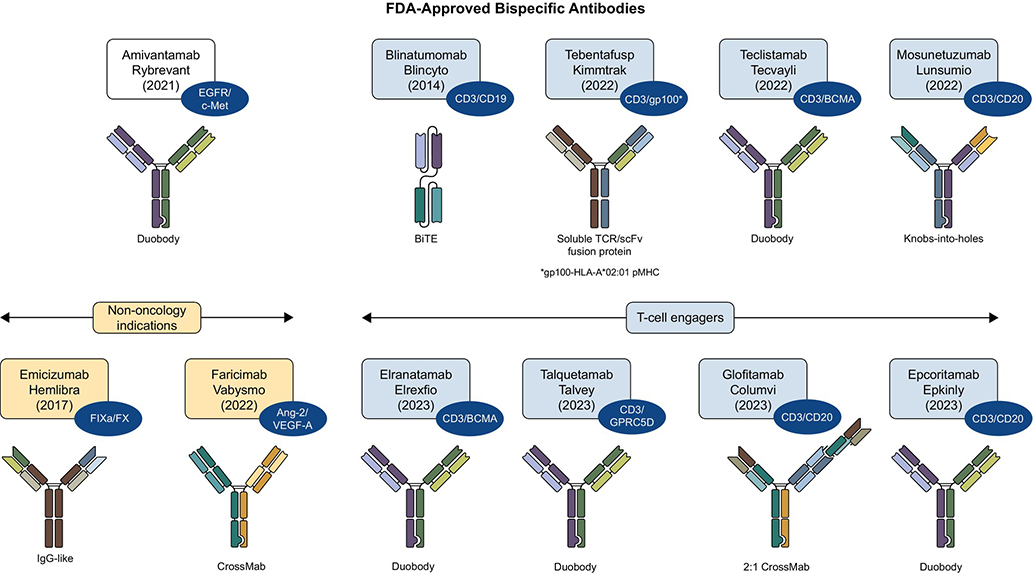
Figure 1. FDA-approved BsAbs: targets, first approval, and structure.
Adapted from Labrijn et al., Clin. Pharmacol. Ther. 113(4):635-655 (2023). DOI: 10.1002/cpt.3308 .
Bispecific Antibody Formats
With over 100 different formats available, bsAbs provide a wide range of therapeutic
possibilities. Each format has unique advantages and challenges, making the selection of the appropriate
format crucial for specific therapeutic goals. Bispecific antibodies can be broadly categorized into two
main types based on the presence or absence of the Fc region: IgG-like bsAbs and non-IgG-like bsAbs.
IgG-like Bispecific Antibodies
IgG-like bsAbs contain an Fc region, which provides several advantages for manufacturing
and clinical applications. The Fc region stabilizes antibodies in the bloodstream, prolonging their
half-life and facilitating purification[8]. However, the inclusion of the Fc region can also
affect the
biological activity and affinity of the bsAbs, complicating their analysis and detection[8].
These bsAbs
can be further categorized into asymmetry and symmetry formats:
- Asymmetry Formats: These bsAbs feature two distinct antigen-binding domains and can
be engineered
to have different specificities, affinities, or functions for each antigen. This flexibility allows
them to target diverse antigens and modulate specific biological pathways or signaling
mechanisms[9].
- Symmetry Formats: These bsAbs are designed with two identical antigen-binding domains and a
single
Fc region. This format enhances manufacturability and stability, and due to the presence of the Fc
region, it can mediate effector functions such as antibody-dependent cellular cytotoxicity (ADCC) or
complement-dependent cytotoxicity (CDC)[9].
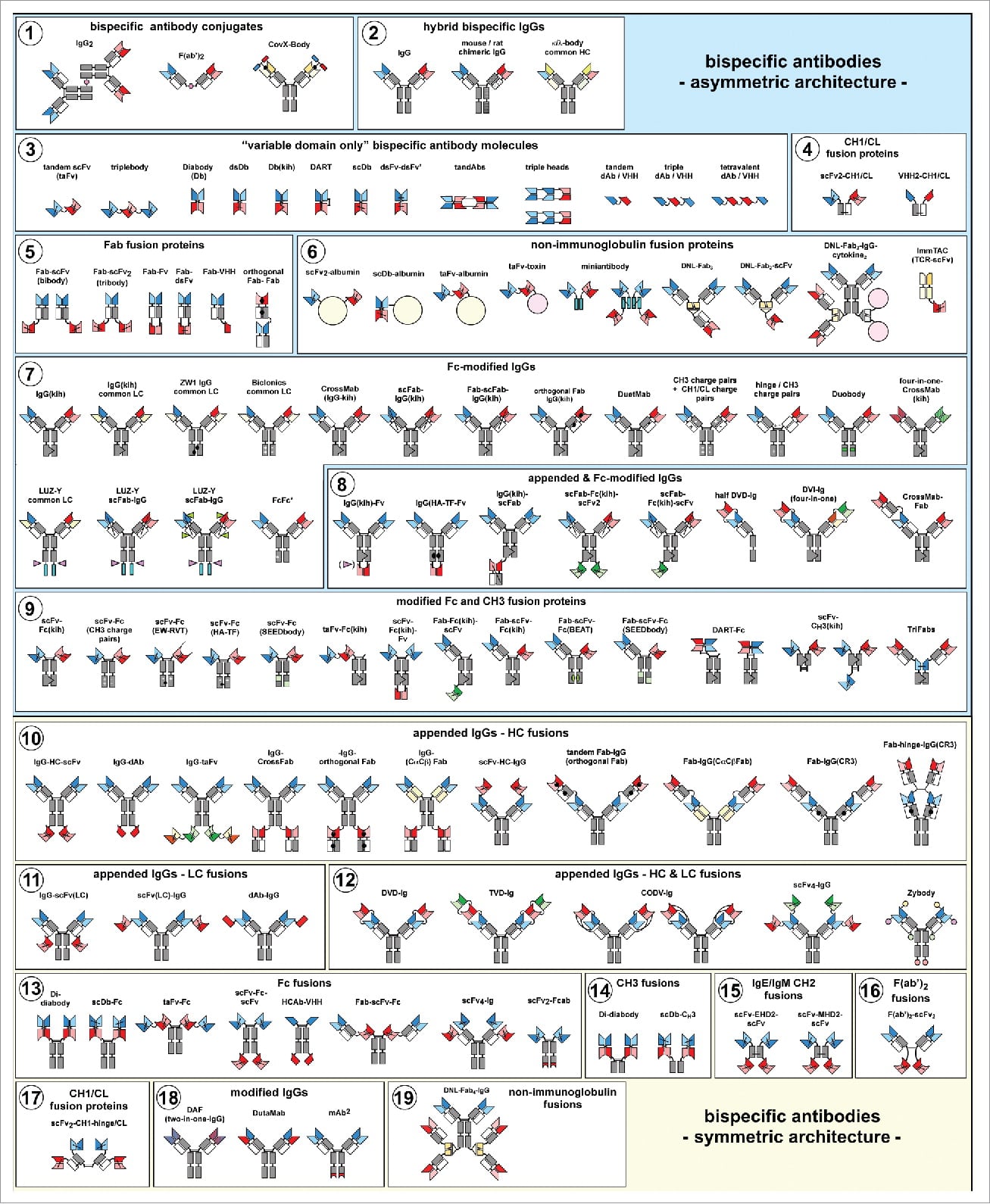
Figure 2. The zoo of bispecific antibody formats.
Adapted from Spiess et al., MAbs 9:128 (2017). DOI: 10.1080/19420862.2016.1268307.
Non-IgG-like Bispecific Antibodies
Non-IgG-like bsAbs, also known as fragment formats, lack the Fc region and are constructed by
combining two different monoclonal antibody fragments, such as single-chain variable fragments (scFvs) or
antigen-binding fragments (Fab). The absence of an Fc fragment provides non-IgG-like bsAbs with unique
advantages, including easier production in both eukaryotic and prokaryotic expression systems and smaller
molecular masses that facilitate tissue penetration and rapid localization to specific antigen-binding sites[8].
However, the lack of an Fc region also presents certain drawbacks, such as rapid drug clearance from the body
and a shorter blood half-life[7].
Expression Systems for Bispecific Antibody Production
Producing bispecific antibodies (bsAbs) needs advanced expression systems to accurately fold and
modify these complex molecules. The choice of expression system affects the yield, stability, and functionality
of bsAbs. Common expression systems include mammalian cells, bacteria, yeast, etc.
Mammalian Expression Systems
Mammalian cells are widely used for producing therapeutic antibodies, including bsAbs, due to their
complex post-translational modifications that resemble human proteins. This reduces immunogenicity and ensures
proper folding and functionality[10].
Chinese Hamster Ovary (CHO) Cells
- Characteristics: CHO cells are well-characterized and yield high protein quantities. They
are ideal for producing complex recombinant proteins[11].
- Advantages: High yield, stable transfection, and excellent biosafety[11].
- Challenges: Slower growth, impacting production timelines[11].
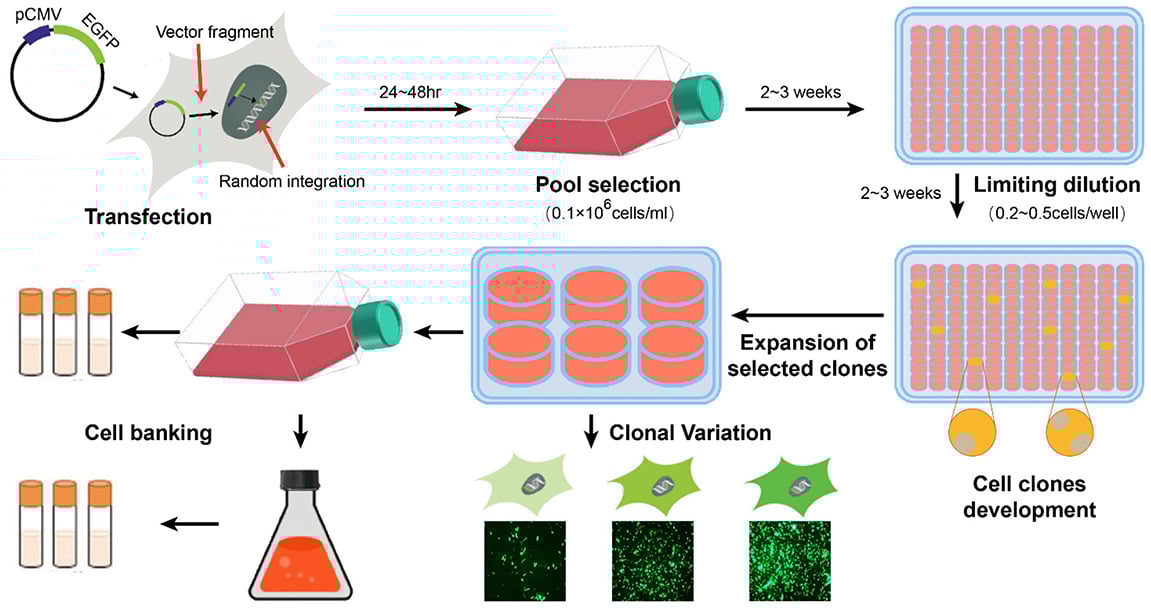
Figure 3. CHO cell line development (CLD) procedures.
Adapted from Wang et al., Int. J. Mol. Sci. 2025, 26(3), 1324. DOI: 10.3390/ijms26031324.
Human Embryonic Kidney 293 (HEK293) Cells
- Characteristics: HEK293 cells have high transfection efficiency and scalable production
capabilities. They
provide a human-like environment for protein folding[12].
- Advantages: High transfection efficiency, scalable production, suitable for early-stage
research[12].
- Challenges: Requires optimization for large-scale production[13].
Bacterial Expression Systems
Bacterial systems, especially E. coli, are used for producing smaller antibody fragments like
scFvs.
Escherichia coli (E. coli)
- Characteristics: E. coli has fast growth, low cost, and high protein yield, making it
suitable for early-stage research[14].
- Advantages: Rapid growth, low cost, high yield[14].
- Challenges: Lack of post-translational modification machinery, limiting its use for
full-length antibodies[14].
Yeast Expression Systems
Yeast systems balance rapid growth with some post-translational modifications[15].
accharomyces cerevisiae
- Characteristics: Yeast cells grow rapidly and can produce large quantities of
antibodies[16]. They combine prokaryotic advantages with some post-translational
modifications[17].
- Advantages: Rapid growth, high yield, ability to perform some post-translational
modifications[15].
- Challenges: Differences in intracellular environments can pose challenges for complex
antibody folding[17].
Trends and challenges of Bispecific Antibodies
Despite their significant therapeutic potential, bispecific antibodies (bsAbs) face several
challenges that need to be addressed to fully realize their clinical benefits.
New Target Exploration
Researchers are actively exploring new targets to expand the therapeutic applications of bsAbs.
Targets such as B7-H4, ENPP3, and CLDN6 are being investigated to enhance the efficacy and broaden the range of
diseases that can be treated with bsAbs[18]. Validating these new targets through rigorous in vitro
and in vivo
experiments is crucial for their clinical success. For instance, JNJ-78306358, a first-in-class bispecific T
cell engaging antibody targeting CD3 and HLA-G, has shown promising results in preclinical studies,
demonstrating the potential of targeting novel antigens[18].
Technological Breakthroughs
Advancements in antibody engineering are continuously improving the stability and production
efficiency of bsAbs. Techniques such as CrossMab and knobs-into-holes are enhancing the manufacturability and
functionality of these complex molecules[19]. Novel formats like Nanobodies and TandAbs are also
being developed
to improve tissue penetration and specificity[19]. These technological breakthroughs are essential
for
overcoming the inherent challenges associated with the production and application of bsAbs.
Production Challenges
Producing bsAbs involves intricate recombinant DNA techniques and cell culture processes.
Optimizing these processes to improve yield and reduce costs is a key area of research. Ensuring the stability
and consistency of bsAbs during production is another critical challenge[19]. Recent advancements in
expression
vector design and cell-line development have shown promise in addressing these issues, paving the way for
industrial-scale production[19]. For example, KBI Biopharma's innovative approach has achieved up to
99%
heterodimers, significantly enhancing the efficiency of bsAb production.
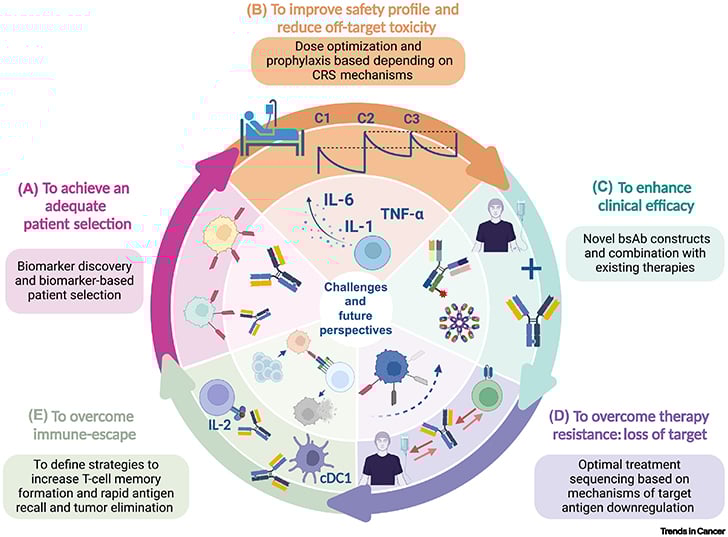
Figure 4. Challenges and future perspectives in bispecific
antibodies (bsAbs).
Adapted from Smith et al., Trends Cancer 10(1):50-68 (2024). DOI: 10.1016/j.trecan.2024.07.002 .
Safety and Side Effects
BsAbs may induce severe side effects, such as cytokine release syndrome (CRS) and immune effector
cell-associated neurotoxicity syndrome (ICANS)[19]. Researchers are working on engineering strategies
and
clinical trials to mitigate these adverse effects and improve the safety profile of bsAbs[19]. For
example,
pre-existing reactivity screening and characterization during the preclinical phase can help mitigate
immunogenicity risks[19].
Conclusion
The development of bispecific antibodies (bsAbs) has ushered in a new era of precision medicine,
with the potential to revolutionize the treatment of various diseases through their unique ability to engage
multiple targets simultaneously. While significant progress has been made in the design, production, and
clinical application of bsAbs, several challenges remain. Addressing these challenges will require continued
innovation in target identification, antibody engineering, and manufacturing processes.As research advances and
new technologies emerge, the field is poised to overcome current limitations and expand the therapeutic
potential of bsAbs.
References
[1] Lim, K., Zhu, X. S., Zhou, D., Ren, S., & Phipps, A. (2024). Clinical Pharmacology Strategies
for Bispecific Antibody Development: Learnings from FDA-Approved Bispecific Antibodies in Oncology. Clinical
Pharmacology and Therapeutics , 116 (2), 315–327. https://doi.org/10.1002/cpt.3308
[2] U.S. FDA. Bispecific antibodies: area of research and clinical applications. Retrieved from
https://www.fda.gov/drugs/spotlight-cder-science/bispecific-antibodies-area-research-and-clinical-applications
[3] Przepiorka, D., Ko, C. W., Deisseroth, A., Yancey, C. L., Candau-Chacon, R., Chiu, H. J.,
Gehrke, B. J., Gomez-Broughton, C., Kane, R. C., Kirshner, S., Mehrotra, N., Ricks, T. K., Schmiel, D., Song,
P., Zhao, P., Zhou, Q., Farrell, A. T., & Pazdur, R. (2015). FDA Approval: Blinatumomab. Clinical Cancer
Research , 21 (18), 4035–4039. https://doi.org/10.1158/1078-0432.CCR-15-0612
[4] Chon, K., Larkins, E., Chatterjee, S., Mishra-Kalyani, P. S., Aungst, S., Wearne, E.,
Subramaniam, S., Li, Y., Liu, J., Sun, J., Charlab, R., Zhao, H., Saritas-Yildirim, B., Bikkavilli, R. K.,
Ghosh, S., Philip, R., Beaver, J. A., & Singh, H. (2023). FDA Approval Summary: Amivantamab for the Treatment of
Patients with Non-Small Cell Lung Cancer with EGFR Exon 20 Insertion Mutations. Clinical Cancer Research , 29
(17), 3262–3266. https://doi.org/10.1158/1078-0432.CCR-22-3713
[5] Elrexfio. Retrieved from https://www.elrexfio.com/
[6] Talvey. Retrieved from https://www.talvey.com/
[7] Goebeler, M. E., Stuhler, G., & Bargou, R. (2024). Bispecific and multispecific antibodies in
oncology: opportunities and challenges. Nat Rev Clin Oncol , 21 , 539–560.
https://doi.org/10.1038/s41571-024-00905-y
[8] Labrijn, A. F., Janmaat, M. L., Reichert, J. M., et al. (2019). Bispecific antibodies: a
mechanistic review of the pipeline. Nat Rev Drug Discov , 18 , 585–608.
https://doi.org/10.1038/s41573-019-0028-1
[9] Brandão, R. O., Jiang, X., Selvaraju, S., & Mohapatra, P. (2024). Bispecific Antibodies: An
Emerging Concept in Antibody-Based Cancer Therapies. In: Das Mohapatra, A., Sahu, P. S. (eds) Advances in
Immunology and Immuno-techniques. Interdisciplinary Biotechnological Advances . Springer, Singapore.
https://doi.org/10.1007/978-981-97-5508-0_4
[10] Frenzel, A., Hust, M., & Schirrmann, T. (2013). Expression of recombinant antibodies. Front
Immunol , 4 , 217. https://doi.org/10.3389/fimmu.2013.00217
[11] Wang, C., Guo, X., Wang, W., Li, J.-X., & Wang, T.-Y. (2025). From Cell Clones to Recombinant
Protein Product Heterogeneity in Chinese Hamster Ovary Cell Systems. International Journal of Molecular Sciences
, 26 (3), 1324. https://doi.org/10.3390/ijms26031324
[12] Pulix, M., Lukashchuk, V., Smith, D. C., & Dickson, A. J. (2021). Molecular characterization
of HEK293 cells as emerging versatile cell factories. Current Opinion in Biotechnology , 71 , 18–24.
https://doi.org/10.1016/J.COPBIO.2021.05.001
[13] Zhang, L., Gao, J., Zhang, X., Wang, X., Wang, T., & Zhang, J. (2024). Current strategies for
the development of high-yield HEK293 cell lines. Biochemical Engineering Journal , 205 , 109279.
https://doi.org/10.1016/J.BEJ.2024.109279
[14] İncir, İ., & Kaplan, Ö. (2024). Escherichia coli as a versatile cell factory: Advances and
challenges in recombinant protein production. Protein Expression and Purification , 219 , 106463.
https://doi.org/10.1016/J.PEP.2024.106463
[15] Mustafa, M. I., Alzebair, A. A., & Mohammed, A. (2024). Development of Recombinant Antibody by
Yeast Surface Display Technology. Current Research in Pharmacology and Drug Discovery , 6 , 100174.
https://doi.org/10.1016/J.CRPHAR.2024.100174
[16] Maneira, C., Chamas, A., & Lackner, G. (2025). Engineering Saccharomyces cerevisiae for
medical applications. Microb Cell Fact , 24 , 12. https://doi.org/10.1186/s12934-024-02625-5
[17] Li, Y., Wang, X., Zhou, N. Y., & Ding, J. (2024). Yeast surface display technology:
Mechanisms, applications, and perspectives. Biotechnology Advances , 76 , 108422.
https://doi.org/10.1016/J.BIOTECHADV.2024.108422
[18] Obermajer, N., Zwolak, A., van de Ven, K., Versmissen, S., Menard, K., Rogers, K., Petley, T.,
Weinstock, D., Aligo, J., Patel, J., Tian, K., Angelillo, L., Yi, F., Jarantow, S., Schutsky, K., Hamuro, Y.,
Arias, D. A., Buyens, K., Sheena Yao, T.-W., ... Laquerre, S. (2025). JNJ-78306358, a First-in-Class Bispecific
T Cell Engaging Antibody targeting CD3 and HLA-G. iScience , 111876. https://doi.org/10.1016/J.ISCI.2025.111876
[19] Karbyshev, M. S., Kalashnikova, I. V., Dubrovskaya, V. V., Baskakova, K. O., Kuzmichev, P. K.,
& Sandig, V. (2025). Trends and challenges in bispecific antibody production. Journal of Chromatography A , 1744
, 465722. https://doi.org/10.1016/J.CHROMA.2025.465722


 Most Popular Reagents
 Instruments
 Antibodies
 Protein Electrophoresis and Blotting
 Molecular Biology
 Stable Cell Lines
 Cell Isolation and Activation
 IVD Raw Materials
 Therapy Applications
 Resources