List by Alphabet: A B C D E F G H I J K L M N O P Q R S T U V W X Y Z

a Related Biological Terms:

Each generation of offspring has increased severity of a genetic disorder; e.g., a grandchild may have earlier onset and more severe symptoms than the parent, who had earlier onset than the grandparent.

Describes the reflexes which prevent the body from falling to the ground in the event of an unexpected lean that sends the body out of balance. These reflexes activate the muscles before the brain can react to the change the posture. People who don't have good anticipatory postural reflexes are more likely to fall over if they are suddenly pushed.

A chemical used to prevent blood clotting. Examples: EDTA, heparin, sodium citrate, sodium oxalate.

The DNA strand that forms the template for both the transcribed mRNA and the coding DNA strand.

Any of a group of drugs that prevent seizures or control their incidence or severity.

Antidiuretic hormone, also known as ADH or vasopressin, is a hormone secreted by the pituitary gland. Its primary role is to stimulate the kidneys to reabsorb water rather than pass it, and it is designed to act as part of the complex system which regulates blood pressure and the balance of salts in the body. People with too high or too low levels of this hormone can experience medical problems such as diabetes insipidus. Several circumstances can trigger the production of antidiuretic hormones by the pituitary gland. Falls in blood pressure, changes in plasma volume, and secretions from the gall bladder can all play a role in the secretion of this hormone. The hormone travels to the kidneys, where it directs the kidneys to reabsorb the water which flows through the kidneys, and it also ends up in the brain, where it interfaces with vasopressin receptors. In the brain, vasopressin appears to play a role in forming memories and has been linked with certain social behaviors.

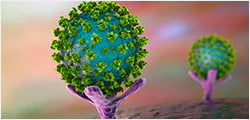
An antigen is a foreign substance that triggers an immune response in the body. It can be any molecule or molecular structure that is recognized as non-self by the immune system. Antigens are typically found on the surface of viruses, bacteria, fungi, parasites, and other microorganisms, as well as on the surface of foreign cells, such as transplanted tissues or cells from another individual. When the immune system encounters an antigen, it initiates an immune response to defend the body against potential threats. The primary goal of the immune response is to recognize, neutralize, and eliminate the foreign antigen to prevent infection or disease. There are two main types of antigens: 1. Exogenous Antigens: These are antigens that come from outside the body and are taken up by antigen-presenting cells (APCs). The APCs then process and present these antigens to T cells, which initiate an adaptive immune response. 2. Endogenous Antigens: These are antigens that originate from within the body, such as those produced by infected cells or cancerous cells. Infected or abnormal cells process and present endogenous antigens to cytotoxic T cells, leading to their destruction. The immune system recognizes antigens through specialized molecules called antibodies and T-cell receptors. When antibodies or T-cell receptors encounter specific antigens that match their binding sites, they bind to the antigens, marking them for destruction by other immune cells. Vaccines work by introducing harmless modifications of antigens into the body to stimulate an immune response. This exposure allows the immune system to recognize and remember the antigens, so it can mount a rapid and effective response if the individual encounters the actual pathogen in the future. Antigens play a crucial role in the immune response and are essential for the body's ability to defend against infections, recognize and destroy abnormal cells, and provide protection against future encounters with pathogens.

Antigen binding is a critical process in the immune response, involving the specific interaction between an antibody and an antigen. Here's an overview of this process: 1. Basic Definition: An antigen is any substance that the immune system recognizes as foreign, such as parts of bacteria, viruses, or other pathogens, and sometimes non-infectious substances like allergens or transplanted tissues. Antibodies, produced by B cells of the immune system, are specialized proteins designed to recognize and bind to these antigens. 2. Structure of Antibodies: Antibodies (also known as immunoglobulins) have a Y-shaped structure with two identical arms. Each arm has a variable region, which is unique to each antibody and determines its antigen-binding specificity. This region contains specialized sequences of amino acids that form a unique shape and charge distribution, enabling it to bind specifically to a complementary region on the antigen, known as an epitope. 3. The Binding Process: The binding of an antibody to an antigen is highly specific, much like a lock and key. The unique structure of the antibody's variable region allows it to fit precisely with a specific epitope on the antigen. This binding is facilitated by non-covalent interactions such as hydrogen bonds, electrostatic forces, and van der Waals forces. 4. Consequences of Binding: Once an antibody binds to an antigen, it can lead to various immune responses. For instance:   o Neutralization:The antibody can neutralize toxins or pathogens by blocking key sites necessary for their activity or entry into cells.   o Opsonization:Antibodies can tag pathogens for destruction by other immune cells, such as phagocytes.   o Activation of Complement System:Antibody-antigen complexes can initiate the complement cascade, leading to the lysis (destruction) of the pathogen. 5. Diversity and Specificity:The human immune system can produce a vast array of antibodies, each with a unique antigen-binding site, allowing it to recognize and respond to an almost limitless variety of antigens. This diversity is generated through a process of genetic recombination and mutation in the developing B cells. 6. Clinical Applications: Understanding antigen-antibody interactions is fundamental in various clinical applications, including vaccine development, diagnostic tests (like ELISA and rapid tests for infections), and antibody therapies (like monoclonal antibodies used in treating cancers, autoimmune diseases, and other conditions). In summary, antigen binding is a highly specific interaction between an antibody and an antigen, leading to an immune response. This specificity and diversity in antigen recognition are central to the effectiveness of the immune system in protecting the body against a wide array of pathogens and foreign substances.

Large molecules are broken down (processed) within macrophages into peptides and presented within the groove of MHC molecules. Antigen processing, or the cytosolic pathway, is an immunological process that prepares antigens for presentation to special cells of the immune system called T lymphocytes. Large molecules are broken down (processed) within macrophages into peptides and presented within the groove of MHC molecules. Antigen processing and presentation are critical in evoking cytolytic T-cell responses against virally infected cells and malignancy. Expression of proteins in some host cells allows for antigen processing and presentation by MHC class I molecules and leads to the generation of CTL. In humans, antigen processing and presentation are highly specialized cDCs.

An antigen receptor is a protein not secreted but anchored to the B-cell membrane. More specifically, any molecule recognized by the body as foreign or not belonging to the body, is called an antigen. Antigen receptor genes are composed of one or more constant regions (C), joining regions (J), and variable regions (V). When an antigen enters the body, it stimulates an immune response by the cells of the immune system. These cells recognize the different antigens through receptors on the surface of their cell membranes. Each cell has a specific antigen receptor, so the cell will only be activated by the specific antigen. The antigen receptor is a polypeptide chain or a chain of amino acids. Its structure matches the shape of the antigen to which it is specific. This specificity of structure that the antigen receptor has enables each cell to match only one type of antigen.

1
...
238 239 240
...
252


If you know of any terms that have been omitted from this glossary that you feel would be useful to include, please send detail to the Editorial Office at GenScript: [email protected]

If your term is adopted, we will send 1,000 EzCoupon points to your GenScript account.