mRNA-LNP for hCCR9 antibody production. We designed hCCR9 mRNA
sequence and
encapsulated the mRNA into different LNP formulations, and the results showed the mRNA-LNPs
could successfully induce corresponding antibody of hCCR9 protein in mice. 1WP3: 1 week post
3rd
immunization; 7WP3: 7 weeks post 3rd immunization; 11WP3: 11 weeks post 3rd immunization.
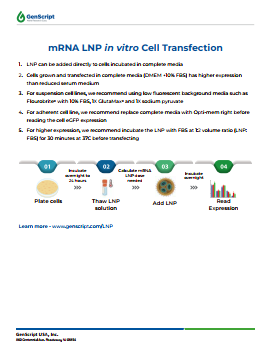
For in vitro test, HEK293T Cells were plated in 6-well plate at 300,000
cells per
well. Cells were transfected with 2.5ug of mRNA-LNP per well. 48h after transfection, the
expression of hCCR9 protein was detected using flow cytometry analysis with primary antibody
against CCR9 and fluorescent secondary antibody.
For in vivo test, mice were intramuscularly injected with hCCR9 mRNA
encapsulated
in SM102, CXM-2, or ALC-0315 LNPs (0.5 mg/kg), without adjuvants. Mice received multiple
immunizations, and serum samples were collected at weeks 1, 7, and 11 after the third
immunization. To assess the CCR9-specific antibody response, a hCCR9 overexpressing CHO-K1
stable cell line was used as the screening material. Cells were incubated with diluted mouse
serum, followed by staining with a fluorescently labeled secondary antibody, and analyzed by
flow cytometry.
CXM-2 is also a promising candidate for gene editing. See ReadyEdit LNPs for prime editing application
CX108 LNP exhibited comparable in vivo performance to the benchmark SM102 LNP, and
demonstrated enhanced expression in primary T cells after CD3 antibody conjugation, highlighting
its potential for in vivo CAR-T applications.
CX175 LNP exhibited comparable in vivo performance to the benchmark SM102 LNP, and
demonstrated enhanced expression in primary T cells after CD3 antibody conjugation, highlighting
its potential for in vivo CAR-T applications.
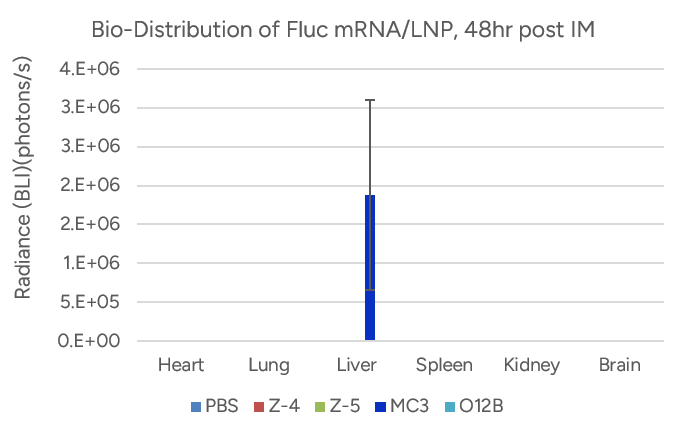
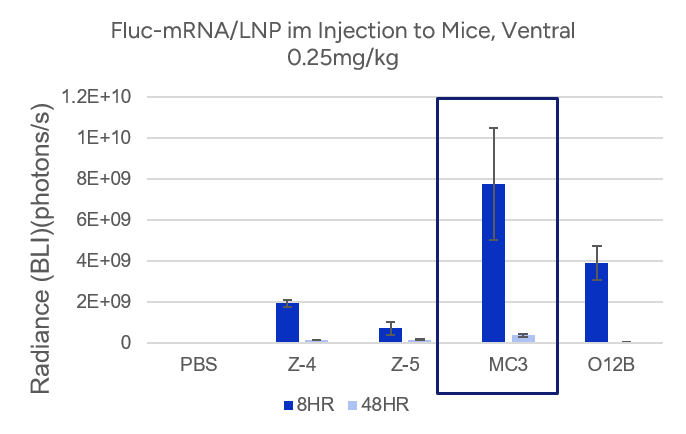
SM-CX712 LNP can enhance RNA’s distribution to muscle, and reduce its
expression in liver by IM injection


















































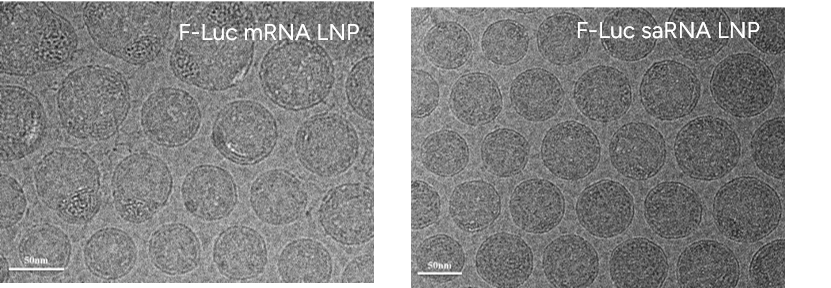
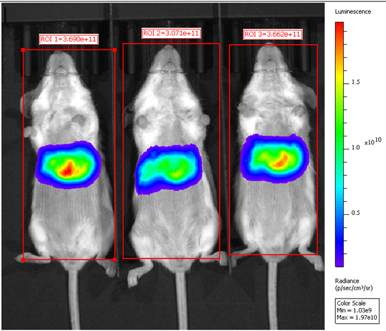
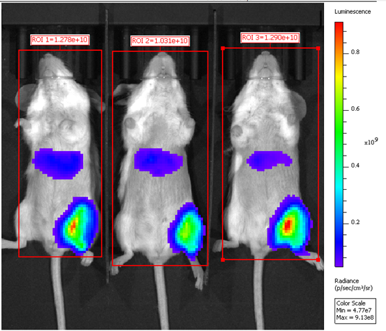
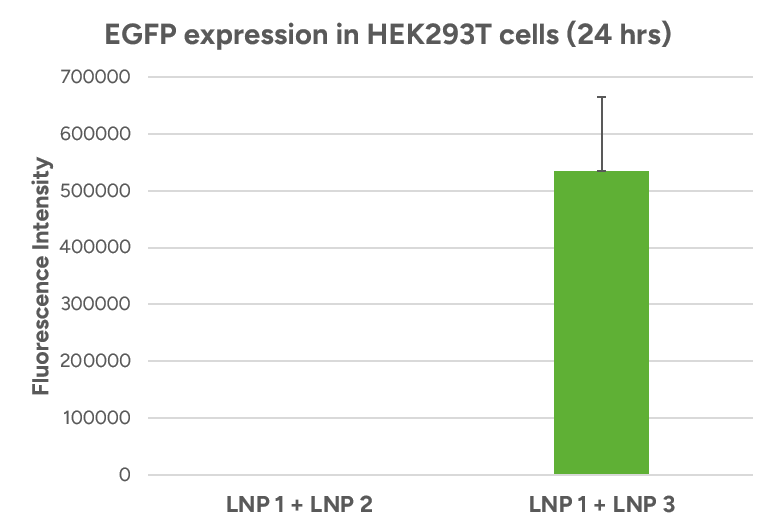
 LNP 1: EGFP mRNA-LNP (SM102)