Cas9 Nucleases
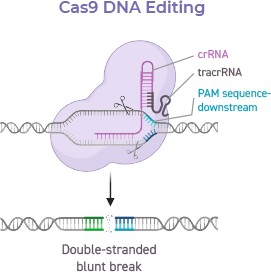
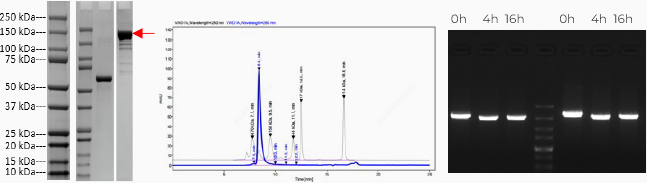
SpCas9 (Streptococcus pyogenes Cas9) is a widely used RNA-guided endonuclease in CRISPR Cas9 genome editing, recognizing a 5'-NGG-3' PAM sequence to create blunt-ended doublestrand breaks 3 bp upstream of the PAM. Cas9 nuclease variants including high-fidelity and
wild-type versions, are provided for precise, efficient genome editing across a wide range of
research and therapeutic applications. Most of the Cas9 protein products are equipped with NLS
to facilitate high editing efficiency in eukaryocytes, while the non-NLS Cas9 provides the
efficient tool for microbial genome editing. Click on each product link to learn more.
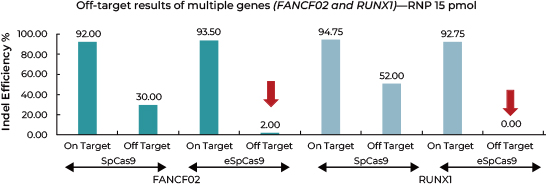
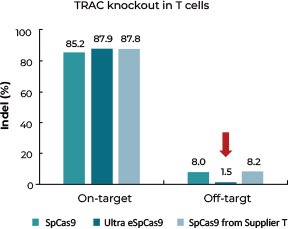
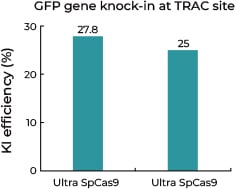
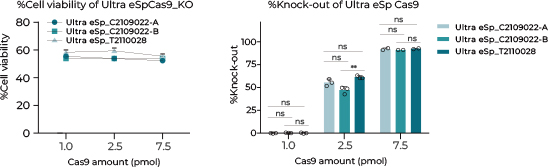
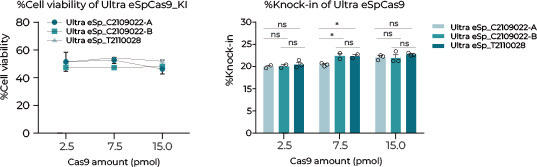
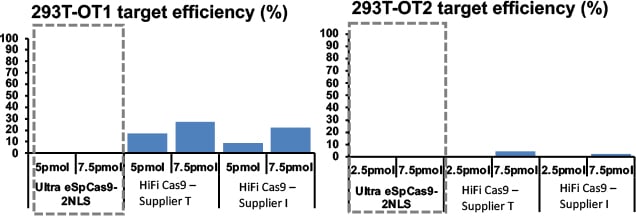
- Benefit advanced low-off-target eSpCas9 and no-tag design for high-precise therapeutic
developmen
- Choose from variant NLS for wild type SpCas9
- Streamline fluorescent cell tracking and sorting post transfection with EGFP
- Reduce off-target with D10A Nickase and dual gRNA design
High fidelity eSpCas9
Wild type SpCas9
EGFP SpCas9
SpCas9 Nickase
SaCas9
Explore cGMP Cas9 products for seamless scale-up to clinical
development
Cas12a Nucleases
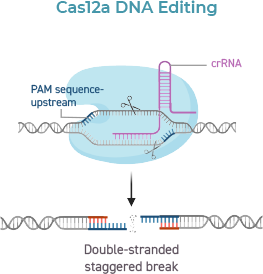
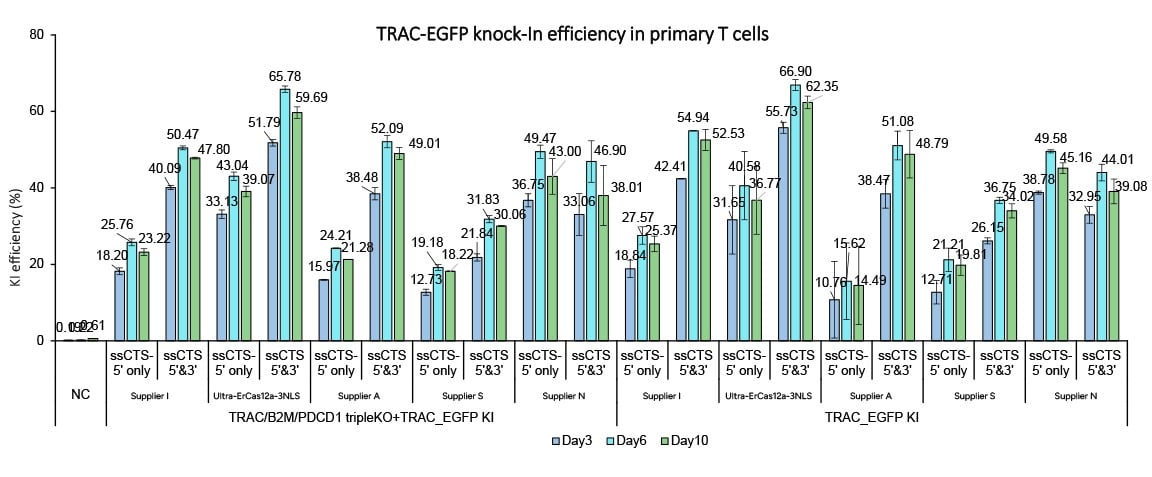
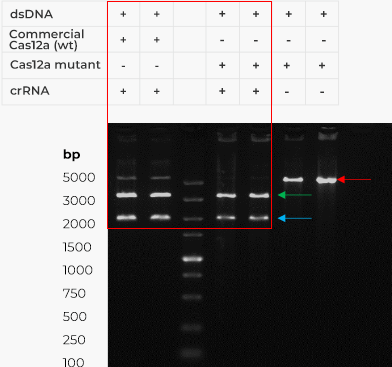
Cas12a (formerly Cpf1) is a Class 2 Type V CRISPR-Cas protein used for precise genome editing
and nucleic acid detection. Unlike Cas9, Cas12a recognizes T-rich PAM sequences, offering
editing in regions beyond Cas9 reach. They also produce staggered cuts and enable higher
editing accuracy. Cas12a can process their own guide RNA assay and thus is favored for
multiplex editing. Cas12a nucleases also exhibit collateral ssDNA cleavage, enabling highly
sensitive diagnostic applications on DNA samples. AsCas12a, LbCas12a and ErCas12a (MAD7)
are all members of the Cas12a (Cpf1) CRISPR nuclease family with different origins and PAM
preference. Click on each product link to learn more.
MAD7
AsCas12a
LbCas12a
Cas13a Nucleases
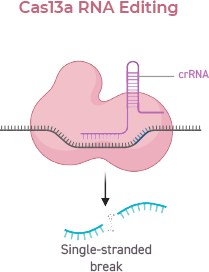
Cas13a nucleases are Class 2 Type VI CRISPR-Cas enzyme that acts as an RNA-guided, RNAtargeting ribonuclease. Upon recognizing its target RNA, Cas13a activates a unique "collateral
cleavage" mechanism, non-specifically degrading nearby RNA molecules. This collateral activity
is harnessed for ultra-sensitive, programmable molecular diagnostics for RNA based diagnostics
like pathogen detection. LwaCas13 and LbuCas13 are from different origins, while both exhibit
high efficiency and offered at 4mg/ml, and LbuCas13 as the tag-free option. Click on each
product link to learn more.
Prime Editors and Base Editors
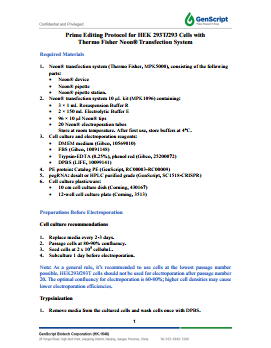
Beyond nuclease-based editing, base and prime editors have emerged as nextgeneration genome engineering technologies that enable higher-precision modifications
without introducing double-strand breaks (DSBs). By avoiding DSBs, these systems
reduce editing-associated errors such as indels and chromosomal rearrangements,
resulting in more predictable outcomes.
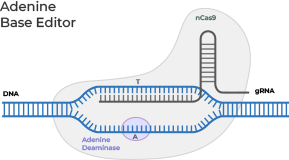
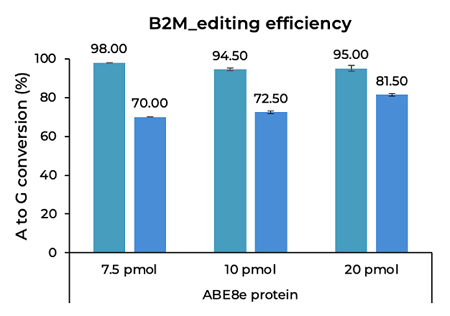
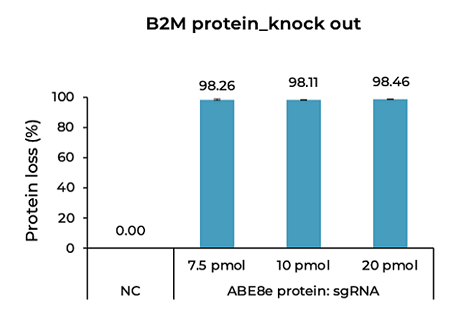
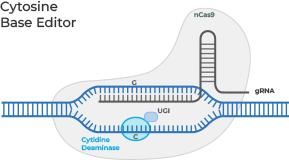
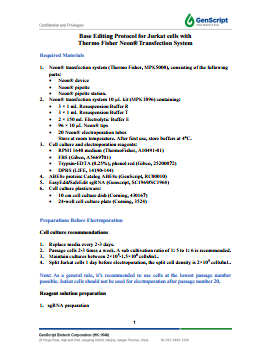
Base editors typically combine a catalytically impaired Cas protein, such as D10A nickase, with a deaminase to achieve targeted single-base conversions. Adenine base
editors (ABEs) mediate A→G substitutions, while cytosine base editors (CBEs) enable
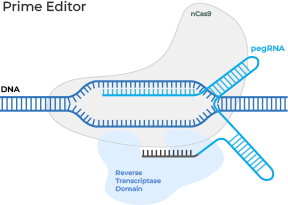
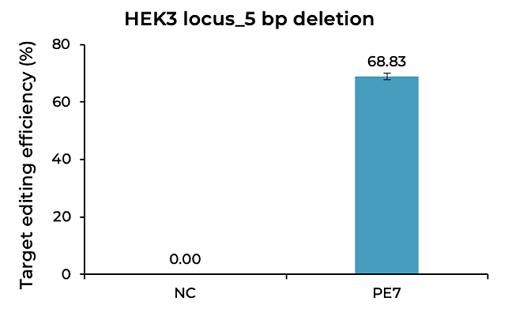
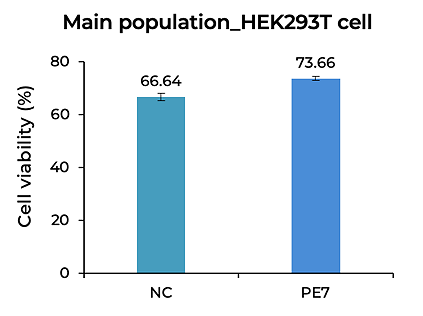
C→T conversions. Prime editors pair a Cas nickase with a reverse transcriptase and a
prime editing guide RNA (pegRNA) to install a broader range of precise edits, including
substitutions, insertions, and deletions, with reduced dependence on donor templates.
Together, these features expand the versatility of genome editing and enable a wider
range of therapeutic and research applications.
Base Editors
Prime Editors